

By Rebecca Caleb Maina
When discussions about tobacco arise, attention often turns to the smoker—the person holding the cigarette. Rarely do people think about the child coughing in the next room, the pregnant woman inhaling the smoke, or the family struggling to pay hospital bills caused by tobacco-related illnesses.
Yet these are the faces of a crisis that continues to unfold quietly in homes and communities across Nigeria.
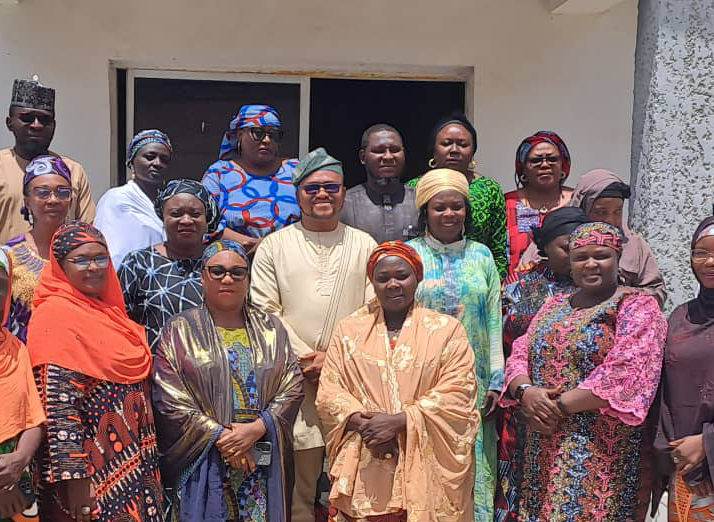
At a training workshop on Tobacco Taxation and Gender Mainstreaming organised by the Civil Society Legislative Advocacy Centre (CISLAC) in Gombe, women journalists were challenged to look beyond the smoker and tell the stories of those trapped in tobacco’s shadow.
The workshop painted a grim picture. Tobacco kills more than eight million people globally every year. While millions die from smoking directly, more than one million deaths occur among non-smokers exposed to second-hand smoke.
But for participants, the most striking lesson was not the statistics—it was the human cost behind them.
A child denied nutritious meals because household income is spent on cigarettes.
A mother battling health complications despite never smoking.
A family sinking deeper into poverty because money meant for healthcare and education is diverted to tobacco products.
Representing CISLAC Executive Director, Mr. Auwal Ibrahim Musa (Rafsanjani), Finance Officer Mr. Mohammed Murtala said tobacco consumption creates a chain reaction that affects entire households.
“Tobacco does not only burn in cigarettes; it burns through family resources, opportunities and futures,” he told participants.
The training also highlighted how women often carry a disproportionate share of the burden. From exposure to second-hand smoke to increased risks of cervical cancer, breast cancer and maternal health complications, women are frequently among tobacco’s unseen victims.
Leading discussions at the workshop, CISLAC Programmes Manager Mr. Solomon Adoga argued that tobacco control policies must become more gender-sensitive.
He noted that effective tobacco taxation is not only about raising revenue or discouraging smoking. It is also about protecting vulnerable populations and reducing inequalities that place women and children at greater risk.
Adoga explained that second-hand smokers are people who do not smoke themselves but inhale smoke from others. According to him, many women and children unknowingly become victims simply by living or working around smokers. He said exposure to second-hand smoke can lead to respiratory illnesses, heart disease and certain cancers, stressing that tobacco harms not only those who smoke but also those around them.
He also dispelled common misconceptions promoted by the tobacco industry, including claims that flavoured tobacco products are safer or that smoking helps women appear slimmer, fashionable or more attractive. Adoga maintained that no form of tobacco use is safe and warned that such narratives are marketing strategies designed to lure more women and young people into tobacco use despite the well-documented health risks.
For the journalists in attendance, the conversation struck a personal chord.
Many acknowledged that tobacco stories are often reported through statistics and policy debates, while the voices of affected families remain unheard.
Chairperson of the Nigeria Association of Women Journalists (NAWOJ), Gombe State Chapter, Mrs. Abigail Kolo, urged participants to change that narrative.
She encouraged journalists to use their platforms to expose the realities faced by women and children living with the consequences of tobacco use and to support policies that create healthier communities.
Among the participants were Vasty Bala Jonah of Amana Radio, Bome Samutar of Jewel Magazine and Balkisu Bibi Lakuto of GMC Radio, who described the workshop as an eye-opener.
For them, tobacco is no longer simply a public health issue—it is a story about families, inequality and survival.
In her closing remarks, Rebecca Caleb Maina thanked CISLAC for equipping women journalists with the knowledge needed to strengthen tobacco control advocacy through impactful reporting.
As the workshop drew to a close, one question lingered in the minds of participants:
If tobacco kills millions every year, how many more lives must be disrupted before society begins to pay attention not only to those who smoke, but also to those who suffer because of it?
For the women journalists leaving the training hall, the answer was clear. The next tobacco story they tell will not begin with a cigarette.It will begin with a family.