

By Becky Miana
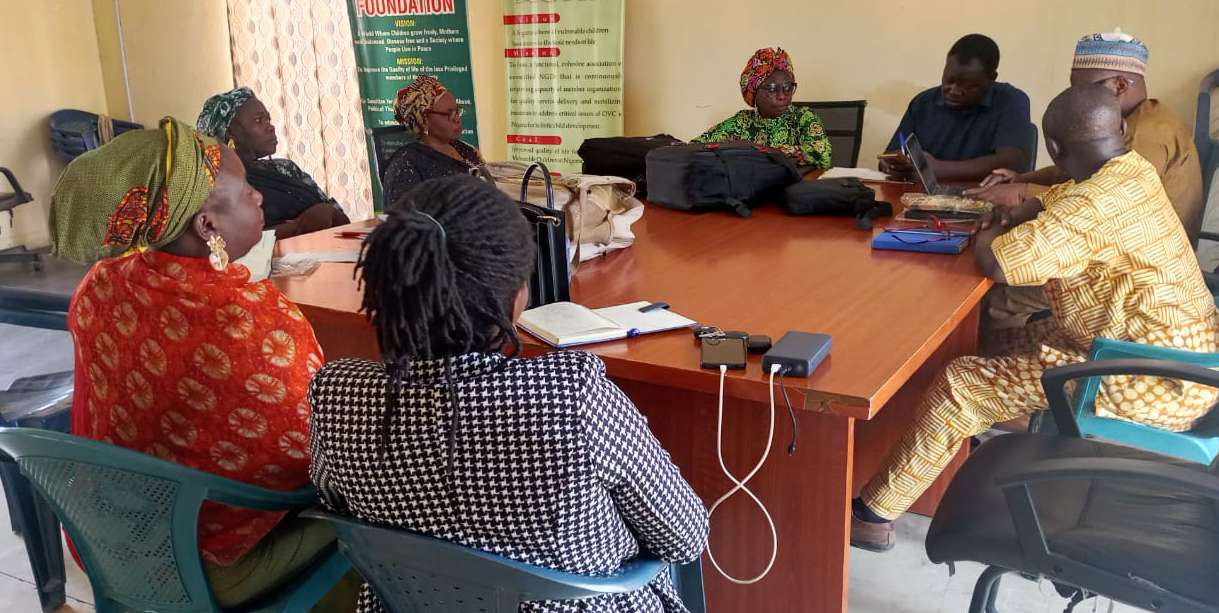
The Civil Society Scaling Up Nutrition in Nigeria (CS-SUNN), Gombe State Chapter, has commenced a quarterly tracking of nutrition budgets across Ministries, Departments and Agencies (MDAs) as part of efforts to promote increased investment in nutrition programmes in the state.
The exercise is being implemented under a UNICEF-supported project and focuses on key nutrition financing issues, including the timely release of nutrition funds, the establishment of dedicated nutrition budget lines across MDAs, and advocacy for the extension of paid maternity leave from the current period to six months.
Speaking on the initiative, the Gombe State Coordinator of CS-SUNN, Rebecca Caleb Maina, commended the Gombe State Ministry of Budget and Economic Planning for involving the organisation in budgetary processes and related activities.
She reaffirmed CS-SUNN’s commitment to advocating increased funding for nutrition interventions aimed at addressing the challenge of malnutrition in Gombe State.
Rebecca also lauded the Gombe State Government for its commitment to procuring Ready-to-Use Therapeutic Foods (RUTF) and other nutrition commodities, noting that the intervention would significantly reduce the burden of malnutrition, particularly among children and other vulnerable groups.
According to her, CS-SUNN will sustain its advocacy for the implementation of six months’ paid maternity leave and continue monitoring reports concerning the alleged sale of RUTF in the state to ensure accountability and the proper utilisation of nutrition resources.
She explained that the quarterly budget tracking exercise is expected to strengthen accountability in the management of nutrition funds, facilitate the implementation of budgeted nutrition activities, and support advocacy efforts aimed at securing increased funding for nutrition programmes across the state.
The initiative forms part of broader efforts by CS-SUNN and its partners to improve nutrition outcomes through increased government investment, policy implementation, and enhanced accountability mechanisms.