

For livestock farmers across Taraba State, the wellbeing of their animals goes far beyond food on the table. It is the backbone of household income, community trade, and rural survival. From open grazing fields in remote villages to livestock markets that anchor local economies, animal health remains central to daily life.
This reality underscores the significance of a recent intervention by the Federal Ministry of Livestock Development, which has sparked renewed optimism among farmers and stakeholders in the state.
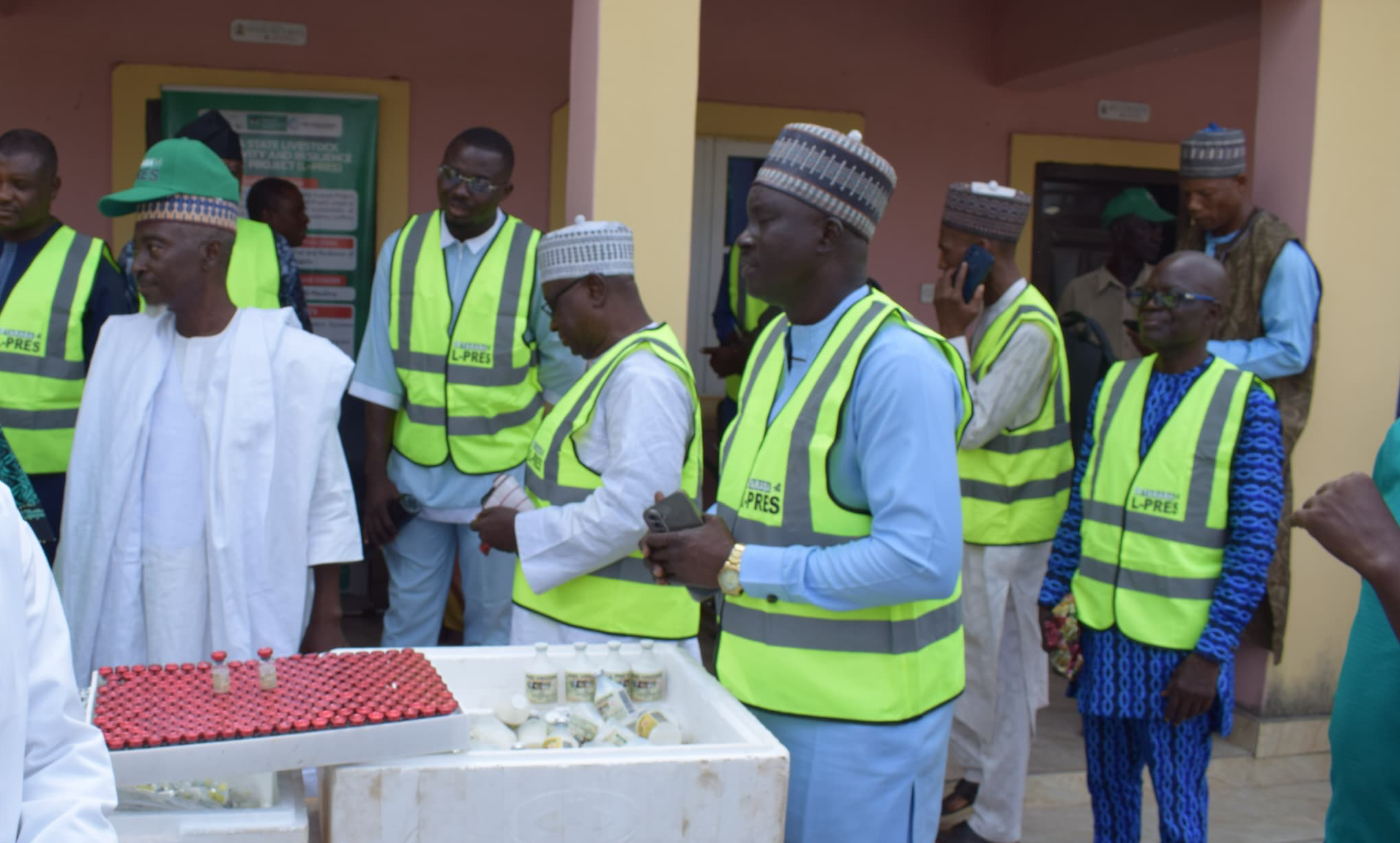
At the weekend, the ministry, through the National Coordination Office of the Livestock Productivity and Resilience Support Project (L-PRES), delivered vaccines valued at millions of naira to the Taraba State Government. The intervention is designed to strengthen animal health services, curb the spread of Transboundary Animal Diseases, and enhance livestock productivity and food security across the state.
The vaccine delivery forms part of broader federal efforts to tackle long-standing animal health challenges that continue to limit livestock production, especially in rural areas where veterinary services are often scarce and disease outbreaks can wipe out entire herds.
Receiving the consignment on behalf of the state government, the Commissioner for Agriculture and Food Security, Professor Nicholas Oliver Namessan, described the support as both timely and critical.
He said the intervention aligns with Taraba State’s strategy to reposition the livestock sector as a major driver of economic growth and food security.
Speaking through the Permanent Secretary of the ministry, Mrs Sarah Ali, the commissioner assured farmers and stakeholders that the vaccines would be promptly distributed and not left idle in storage facilities.
“These vaccines will get to the grassroots and will be used appropriately to achieve the objectives for which they were provided,” he said, stressing the state government’s commitment to transparency and measurable impact.
For the Livestock Productivity and Resilience Support Project, the delivery marks another step in its mandate to build resilience and sustainability within Nigeria’s livestock industry. The Taraba State L-PRES Coordinator, Mr Hananiah Albert, expressed appreciation for the intervention after formally receiving the vaccines from the National Coordination Office and handing them over to the Ministry of Agriculture and Food Security.
Represented by Dr Bunshai Dauda, Albert assured that the state L-PRES office would collaborate closely with relevant departments and agencies to ensure fair and effective distribution of the vaccines to beneficiaries in all parts of the state.
The development was also welcomed by other key stakeholders in the sector. Chairman of the Livestock Commission, Dr Dauda Abubakar Mohammed, commended L-PRES for its consistent support, noting that Governor Agbu Kefas has demonstrated strong commitment to livestock development and the promotion of peace in Taraba State. He pledged continued cooperation between the commission and L-PRES to achieve shared goals.
From a technical perspective, the Director of Veterinary Services, Dr Francis Nathan, emphasized that the vaccines would be delivered directly to livestock farmers at the grassroots, where disease outbreaks often cause the greatest losses. He applauded the leadership of L-PRES and reaffirmed the ministry’s resolve to sustain partnerships that enhance the effective discharge of its statutory responsibilities.
Similarly, the Director of Livestock Services called for collective support for the Ministry of Agriculture and Food Security, L-PRES, and the Taraba State Government, noting that collaboration remains essential to the success of livestock development initiatives.
As the vaccines begin to reach rural communities, expectations are high that the intervention will result in healthier herds, increased productivity, and improved food security. For Taraba’s livestock farmers, the delivery represents more than government assistance—it signals a practical step toward resilience, sustainability, and a stronger future for the livestock sector.