

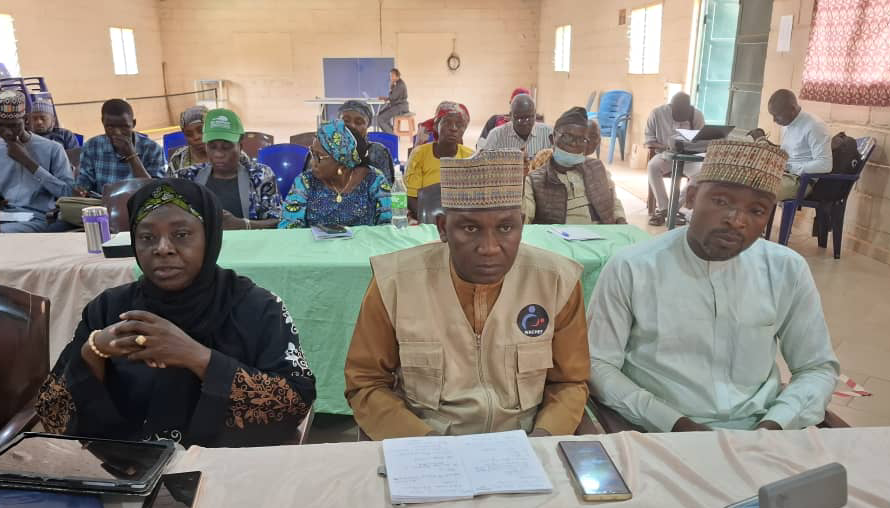
In a bid to combat malnutrition and improve school attendance, ActionAid Nigeria, in collaboration with the Women and Children Health Empowerment Foundation, WACHEF, has launched an innovative school feeding programme targeting 800 pupil across across 300 households in Mayo-Ndaga and Sah-Kaka border communities in Sardauna local government council of Taraba state.
Speaking at the official launch on Thursday in Gembu, the administrative headquarters of Sardauna council, the Deputy Country Director of ActionAid Nigeria, Hajiya Suwaiba Mohammad Dankabo, emphasized the urgent need for intervention.
Citing World Bank data, she noted that over four million Nigerians fell into poverty between February and May 2023, adding to the 133 million already living below the poverty line.
“Research indicates that a well-implemented school feeding programme can increase enrolment by 30 percent and reduce absenteeism by 50 percent. This initiative is designed to tackle these challenges in Mayo-Ndaga and Sah-Kaka,” Dankabo stated.
The program, according to her, aims to ensure balanced meals for pupils with 400 children from each community benefiting.
To guarantee its effectiveness and sustainability, School Based Management Committee, SBMCs, she said, will be strengthened, and Gender Focal Persons appointed to oversee implementation, accountability, and gender-sensitive interventions.
Dankabo urged government agencies, community leaders, educators, parents, and development partners to take ownership of the initiative.
She stressed that advocacy for stronger policies and increased government investment is essential for long-term sustainability.
Adding their voices, Dr. Princess Aderemi F. Adebowale, National Programme Manager of the Renewed Hope National Home Grown School Feeding Programme, RH-NHGSFP and Jaafar Ahmad Magaji, Executive Director of WACHEF, called on community leaders and the Taraba state government to support the initiative and ensure its success.
With the intervention, stakeholders who spoke with our reporter, believed that the Initiative, if well implemented, will go a long way in reducing hunger, boost school enrollment, and improve the overall well being of children in the aforementioned underserved communities.