

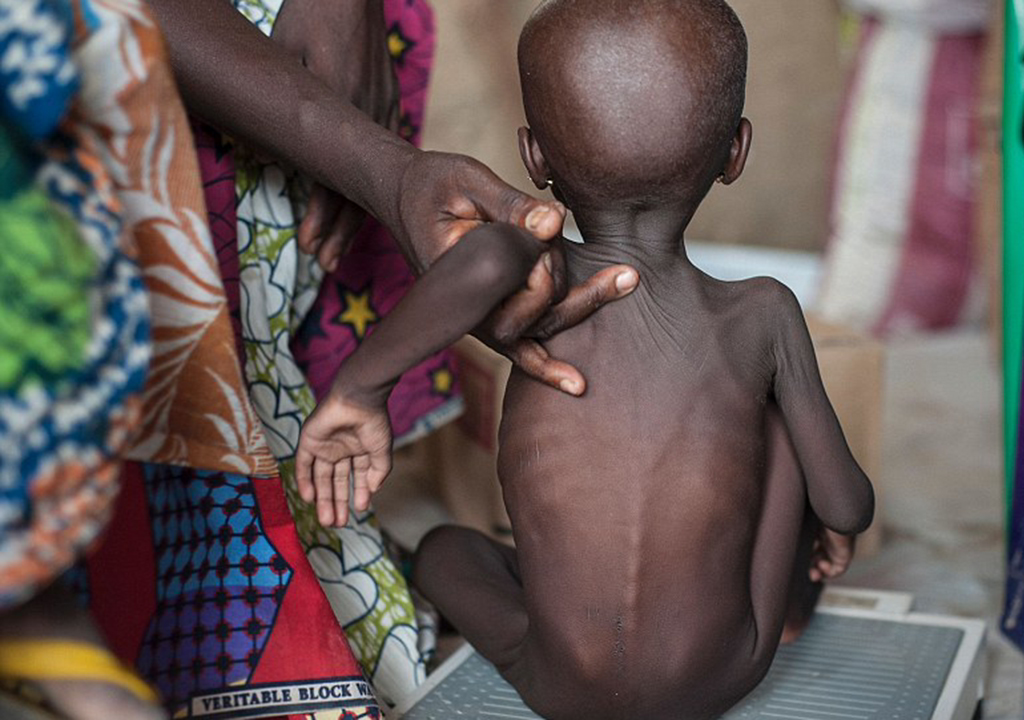
The Civil Society–Scaling Up Nutrition in Nigeria (CS-SUNN) has intensified its advocacy for improved maternal and child health in Adamawa State, urging the government to approve a six-month paid maternity leave and commit N9 billion as counterpart funding to address malnutrition.
The appeal was made on Monday by the Chairman of the CS-SUNN Steering Committee in Adamawa, Sodangi Adams Chindo, in a statement titled “Investing in Nutrition Now.”
Chindo disclosed that more than 7,000 children in the state require urgent nutrition support, warning that malnutrition remains a significant threat to child survival, healthy growth and cognitive development.
He said the state could take advantage of counterpart funding arrangements to access double the value of its investment, reducing the total funding requirement from N18 billion to N9 billion.
According to him, strategic investment in maternal and child nutrition—especially within the first 1,000 days of life—has been globally proven to deliver lasting improvements in health outcomes, educational attainment and economic productivity.
Chindo further explained that CS-SUNN, with support from UNICEF, is implementing a programme to scale up quality nutrition services across Adamawa. The initiative is aimed at supporting the implementation of the Adamawa State Multisectoral Plan of Action for Food and Nutrition (ASMPFAN).
He called for the full operationalisation of the action plan, improved monitoring systems and enhanced coordination at all levels of government to ensure effective and sustainable service delivery.
The CS-SUNN chairman also urged the state government to extend maternity leave from three months to six months to encourage exclusive breastfeeding and improve child survival rates. He noted that Borno, Yobe, Bauchi and Gombe states have already adopted the six-month maternity leave policy.
In his remarks, the Adamawa State Coordinator of CS-SUNN, Ibrahim Bellow, said a six-month maternity leave would enable mothers to exclusively breastfeed their babies and return to work healthier and more productive.
He appealed to policymakers to prioritise child nutrition in the 2026 state budget by increasing allocations and ensuring adequate provision for Child Nutrition Fund counterpart financing.
Chindo also called on the media to promote evidence-based reporting on nutrition issues and hold public officials accountable for their financial commitments and measurable outcomes. He encouraged private sector players to invest in food fortification, produce affordable nutritious foods and adopt breastfeeding-friendly workplace policies.
He commended the state government, development partners, media and civil society organisations for their continued collaboration, stressing that sustained investment in nutrition would not only save lives but also strengthen Adamawa’s long-term economic prospects.