

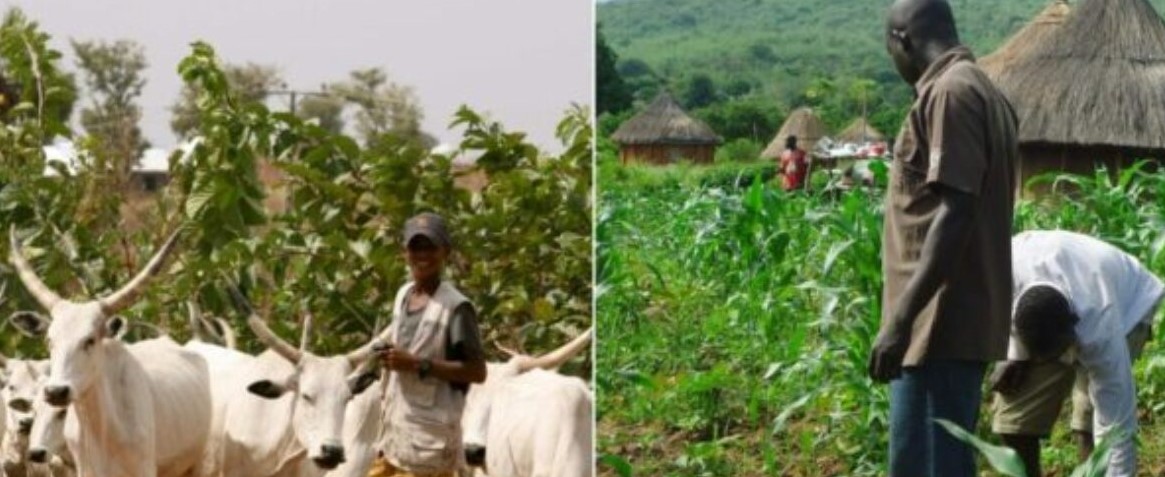
In a concerted effort to address the persistent farmers-herders conflicts in Taraba State, local government chairmen and officials from the Bureau for Peace and Conflict Management have pledged to collaborate in fostering peace and finding sustainable solutions.
This commitment was forged during a three-day capacity-building program organized by COMITAS with support from Search for Common Ground (SFCG).
The event, which took place in Jalingo, the state capital, brought together key stakeholders, including local government officials, members of the bureau, media practitioners, academics, and conflict resolution experts, to discuss strategies for mitigating tensions in the state.
Participants examined the root causes of the conflicts, such as competition for land and water resources, the effects of climate change, and inadequate dispute resolution mechanisms.
The discussions also emphasized enhancing communication, fostering trust, and formulating effective policies to prevent future clashes.
The chairmen and officials agreed to take advantage of the peace structures already put in place by COMITAS by implementing early warning systems and rapid response mechanisms across the state’s 16 local government councils.
They also collectively resolved to involve traditional leaders and community members in decision-making processes to ensure inclusivity and sustainability.
Dr. Aminu Hassan Jauro, the council chairman of Jalingo and the state chairman of the Association of Local Governments of Nigeria (ALGON), expressed optimism about the initiative.
“This program has opened our eyes to the importance of collaboration and proactive measures in resolving these conflicts,” he said. Dr. Jauro pledged to ensure that peace structures are established in all the local councils to promote unity in the state.
Reverend Innocent Solomon, chairman of the Bureau for Peace and Conflict Management, praised COMITAS for facilitating dialogue sessions between farmers and herders in Taraba .
He assured that the bureau would build on these efforts to strengthen peace initiatives across the state.
The program organizers urged the Taraba State Government and other stakeholders to provide adequate resources to sustain the peace efforts.
They also called for public awareness campaigns to educate communities about the benefits of peaceful coexistence.
Experts view the partnership between the council chairmen and the bureau as a critical step toward achieving lasting peace and development in Taraba State, where conflicts have significantly impacted communities.
By Charles Akpeji