
On the night of June 21,2025, the world awoke to the thunder of geopolitical confrontation as former U.S. President Donald Trump announced a dramatic escalation in the simmering Israel-Iran tensions. In a move that stunned the international community,
Trump revealed that the United States had launched a series of precision airstrikes on three of Iran’s most heavily guarded nuclear facilities: Fordow, Natanz, and Isfahan.
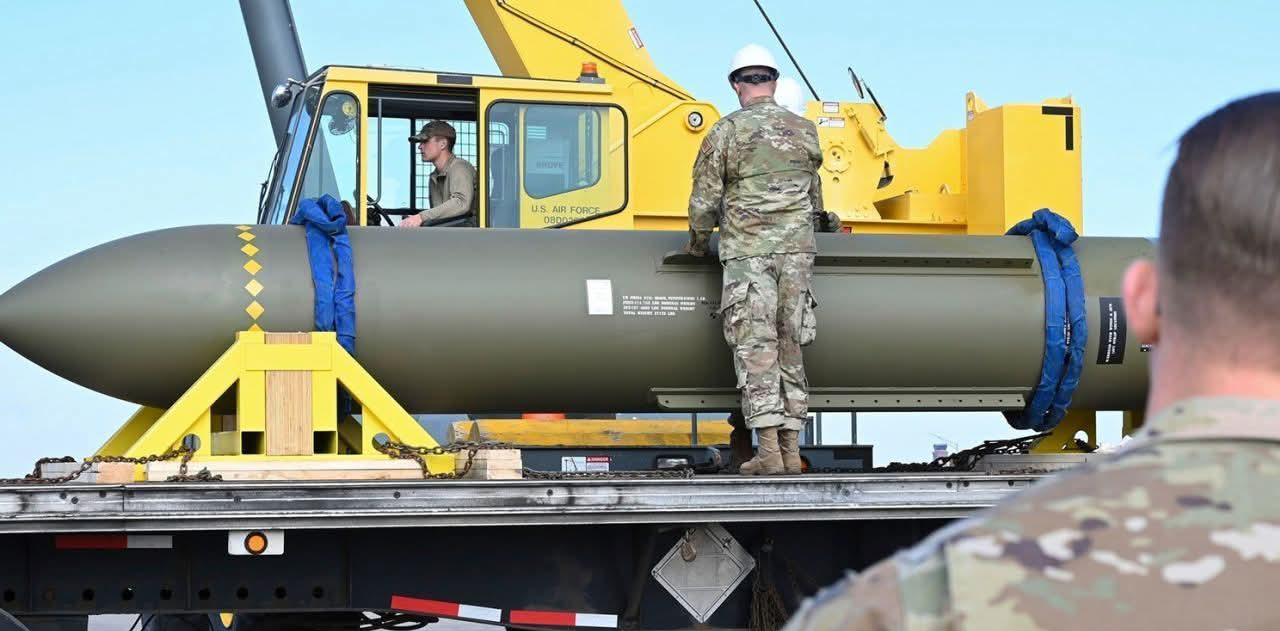
Using B-2 stealth bombers equipped with GBU-57 “bunker buster” bombs and Tomahawk cruise missiles launched from a U.S. Navy submarine, the operation marked one of the most aggressive U.S. military actions in the region in recent years. Trump, addressing the nation via his Truth Social platform, claimed the strikes had “completely and fully obliterated” Iran’s nuclear capabilities particularly highlighting the destruction of Fordow, a facility deeply embedded in a mountain and considered near-impenetrable.
“This was a very successful operation,” Trump declared. “If Iran dares to retaliate, they will face a response far greater than what was witnessed tonight.”
The airstrikes came after days of reported deliberation and strategic coordination with Israeli Prime Minister Benjamin Netanyahu. Israel had already been engaging Iranian targets following a recent escalation in hostilities. The U.S. decision to intervene was widely interpreted as a signal of unwavering support for its ally and a decisive step to cripple Iran’s nuclear ambitions.
Sources close to the White House indicated that the decision was made after intelligence suggested that Iran had accelerated its uranium enrichment activities. While the Atomic Energy Organization of Iran confirmed the attacks, it maintained that nuclear materials had been relocated in time to prevent radiation exposure. Still, the International Atomic Energy Agency expressed concern, particularly over the Fordow facility, which was known to be producing highly enriched uranium.
The airstrikes have not only rattled the Middle East they have also ignited fierce debate across the United States. Within hours of Trump’s announcement, political fault lines sharpened.
Prominent Republicans like Senator Lindsey Graham hailed the operation as a necessary show of strength, calling it “a message to Iran that America will not stand idly by.” Others, such as libertarian-leaning Representative Thomas Massie, raised constitutional concerns, criticizing the strike for bypassing congressional approval.
On the other side of the aisle, Democrats voiced outrage. Representative Alexandria Ocasio-Cortez labeled the strikes “reckless and unauthorized,” even suggesting they constituted grounds for impeachment. A snap poll by The Washington Post found that 45% of Americans opposed the airstrikes, with only 25% in support and 30% undecided.
Tehran swiftly condemned the attacks as a “gross violation of international law.” Iranian officials vowed to pursue legal avenues, but more ominously, they hinted at potential retaliation—raising alarms across U.S. military bases in the region and in Israel, where security alerts have been raised.
While there were no immediate reports of Iranian counterstrike, the psychological impact was palpable. Regional tensions soared, with fears of a wider conflict looming. Global markets reacted with volatility, and oil prices spiked in anticipation of potential disruptions.
World leaders, from the United Nations to NATO members, have called for restraint. Turkish President Recep Tayyip Erdoğan urged all parties to return to diplomacy, warning that “military aggression will only lead to deeper chaos.”
As the dust settles over the ruins of Fordow and the fate of Iran’s nuclear program hangs in the balance, one thing remains certain: the Middle East stands at a dangerous crossroads. With Trump’s bold intervention, the long-running shadow conflict between Iran, Israel, and their allies has entered a new and unpredictable phase.
Whether this will lead to renewed dialogue or trigger a broader regional war remains to be seen. For now, the world watches anxious, divided, and bracing for what comes next.
For advert placement, news publication, event coverage and promotions, call or Whatapp; +2348032515938,
+2349076329439.