

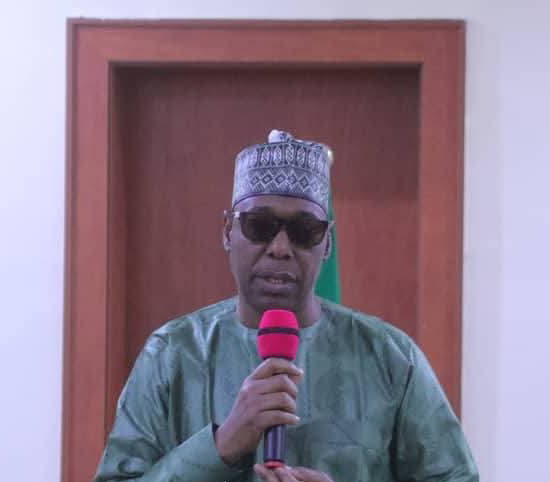
In a significant move to strengthen the healthcare system in Borno State, Governor Babagana Umara Zulum has approved the immediate recruitment of 473 medical personnel, including doctors, nurses and other health professionals, to boost service delivery across the state.
The decision is part of a broader effort by the state government to improve access to quality healthcare, particularly in underserved and rural communities.
The Chief Medical Director of the Borno State Hospital Management Board, Abubakar Kullima, announced the development on Thursday in Maiduguri, noting that the recruitment will strengthen staffing in both newly commissioned and existing health facilities.
Expanding the Health Workforce
According to Kullima, the approved recruitment covers a wide range of health professionals required to improve medical services across the state.
He explained that the 473 new employees include medical doctors, nurses, pharmacists, laboratory scientists and community health extension workers (CHEWs), among other essential healthcare personnel.
The recruitment also targets specialised and support staff, including primary eye care professionals and perioperative care nurses, to enhance the capacity of hospitals and health centres.
“This initiative is part of efforts by the state government to strengthen the healthcare system and ensure that health facilities across the state are adequately staffed,” Kullima said.
The new personnel will be deployed to general hospitals and primary healthcare centres across Borno’s three senatorial zones, with priority given to facilities facing acute manpower shortages.
Strengthening Rural Healthcare
In a related development, Governor Zulum has directed the immediate implementation of a 100 per cent rural posting allowance for medical doctors serving in remote communities. Under the new policy, nurses working in hard-to-reach areas will receive a 40 per cent rural allowance.
The directive, communicated through a memo to the Hospital Management Board, is designed to address the longstanding challenge of attracting and retaining qualified health professionals in rural areas where medical services are often limited.
Health experts have long identified poor incentives and difficult working conditions as major reasons many doctors and nurses avoid postings to remote communities.
The new allowance structure is expected to significantly increase the financial incentives for healthcare workers willing to serve in such areas.
Part of Broader Health Sector Reforms
The recruitment and rural incentive policy form part of a broader series of reforms implemented by the Zulum administration to rebuild and strengthen the health sector in the state.
In recent months, the governor has approved special training funds for resident doctors and commissioned several new health facilities aimed at expanding access to specialised medical services.
These include new eye and dental hospitals designed to reduce the burden on existing facilities and improve the availability of specialised healthcare within the state.
With the addition of hundreds of new medical personnel and enhanced incentives for rural postings, the Borno State government hopes to address manpower shortages, improve healthcare coverage and ensure that residents across the state have better access to quality medical services.