

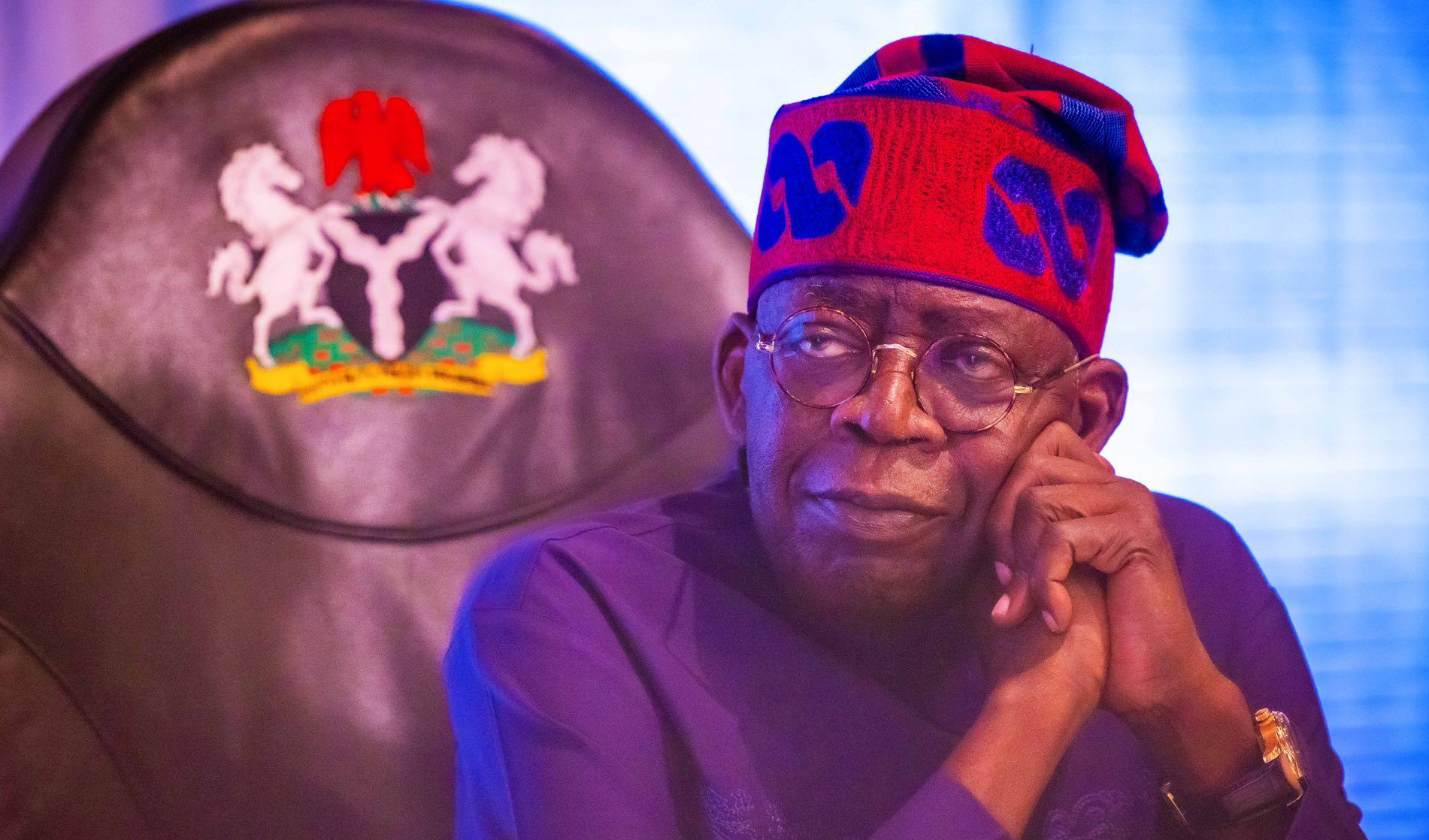
The Conference of Nigeria Political Parties (CNPP) and the Coalition of National Civil Society Organisations (CNCSOs) have strongly criticised the Federal Government’s decision to seek a fresh $1.75 billion loan from the World Bank, warning that the move could trigger widespread public anger and worsen the nation’s economic challenges.
In a joint statement released on Wednesday, the two groups described the borrowing plan under President Bola Tinubu’s administration as “reckless, insensitive, and a betrayal of the Nigerian people.” They argued that fresh external debt was unjustifiable given the government’s own claims of record-breaking revenue performance in recent months.
“This plan not only undermines the credibility of the government but will further plunge Nigerians into hardship while shattering hopes for any meaningful economic recovery,” the statement read.
According to data cited by the groups, Nigeria generated N20.59 trillion in revenue between January and August 2025 — a 40.5% increase compared to the same period in 2024 — with non-oil revenue making up 75% of the total. Against this backdrop, the CNPP and CNCSOs questioned the government’s continued appetite for foreign loans.
“Just days ago, the President boasted that the 2025 revenue targets had been surpassed ahead of schedule, and that Nigeria would no longer rely on borrowing. This sudden reversal highlights the inconsistency in the administration’s fiscal policy,” said Comrade James Ezema, Deputy National Publicity Secretary of the CNPP, and Alhaji Ali Abacha, National Secretary of the CNCSOs, who jointly signed the statement.
Instead of acquiring more loans, the groups urged the Tinubu administration to prioritize the recovery of looted public funds. They alleged that vast sums of public money were being siphoned off through networks of corrupt officials, cronies, and contractors.
They called for the immediate creation of a high-powered judicial panel to investigate past and present loan agreements, trace diverted funds, and recover stolen assets into the Federation Account.
“If this administration is serious about fighting corruption, it must begin by accounting for how previous loans were spent and recovering what was stolen,” the groups said. “Otherwise, it risks being seen as complicit in the same corruption it promised to eliminate.”
Highlighting the hardship faced by ordinary Nigerians, the statement described how the removal of fuel subsidies had driven up inflation, worsened food and transport costs, and pushed more citizens into poverty. They also criticized rising electricity tariffs, burdensome levies, and what they termed “policy-induced suffering.”
“A barber or hairdresser who spends N5,000 on fuel now pays a N500 petroleum tax — all while having no reliable public electricity supply,” the statement noted. “Even small transactions are taxed, like the N50 charge on every N10,000 bank transfer. These policies weigh heavily on the poor.”
The organisations linked the harsh economic climate to rising health problems, increased mortality from untreated illnesses, family breakdowns, and the growing trend of youth migration — known locally as the “japa” syndrome.
“People are collapsing from hunger and high blood pressure. Families are breaking apart. Young people are turning to fraud or fleeing the country in droves. This is the human cost of economic mismanagement,” the statement said.
They also questioned the moral integrity of government officials who continue to live in luxury while pushing the nation deeper into debt.
“It is immoral for leaders flying private jets and enjoying extravagant allowances to keep enslaving the people with loans that deliver no real benefit to the masses,” the groups stated. “With debt servicing already consuming most of the national revenue, another loan will only worsen the situation.”
The statement concluded with a stern warning to the government, urging it to rethink its fiscal direction.
“The current path is unsustainable and dangerous. If the government continues like this, the patience of the people may soon run out,” they warned.
Reiterating their opposition to the proposed World Bank loan, the CNPP and CNCSOs demanded fiscal discipline, transparency, and a renewed focus on fighting corruption.
“Nigeria does not need more loans to survive,” they said. “What it needs is leadership that will recover stolen wealth, stop wasteful spending, and invest honestly in job creation and development. Until that happens, no new borrowing should be considered.”