

By Rebecca Caleb Maina
Gombe has joined the rest of the world to mark World TB Day 2025, with a call for increased awareness and collective action to end tuberculosis (TB).
Speaking at a press briefing to mark the day, the Director of Disease Control and Immunization at the Gombe State Primary Healthcare Development Agency, Dr Musa Mustapha, stressed that TB remains a serious public health challenge in Gombe, Nigeria, and globally.
With the theme “Yes! We Can End TB” and the slogan “We Fit Do Am!”, Dr Mustapha explained that TB is preventable and curable, yet it continues to claim lives due to late detection, poor treatment adherence, and limited awareness.
Understanding TB and Its Impact
World TB Day is held every year on March 24 to raise awareness about TB, its symptoms, and the available free testing and treatment services.
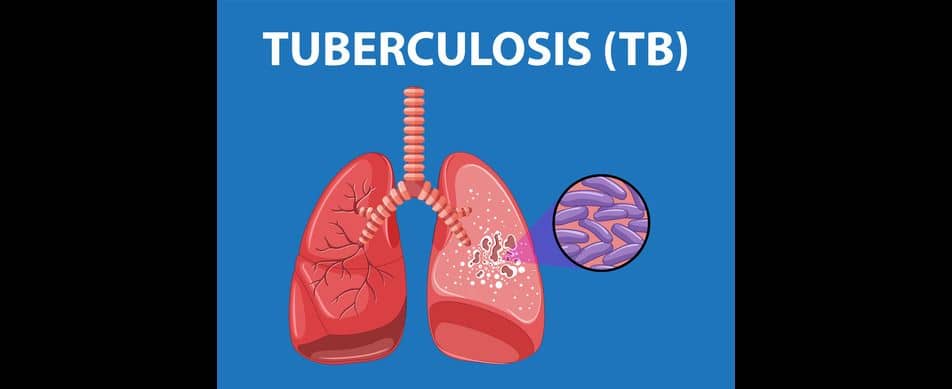
TB is an infectious disease caused by bacteria that primarily affects the lungs but can spread to other parts of the body. It spreads through the air when an infected person coughs or sneezes. Despite global efforts, TB remains one of the deadliest infectious diseases, with 4,400 deaths and 30,000 new cases recorded worldwide daily.
Acccording to Center for Disease Control CDC Report Tuberculosis is the world’s deadliest infectious disease, with 30,000 people becoming ill and 3,500 people losing their lives to TB each day
Recent world Health Organization WHO reports show that TB cases and deaths have increased for the first time in over ten years.
Dr Mustapha revealed that “Nigeria has one of the highest TB burdens in the world, with an estimated 155,000 deaths and 440,000 new cases annually. In Gombe State alone, over 4,200 cases are recorded each year, including 350 paediatric cases and about 70 cases of drug-resistant TB, which is harder to treat”.
The Challenge of Drug-Resistant TB
Dr Mustapha warned that drug-resistant TB (DR-TB) is a growing concern. This happens when TB bacteria stop responding to standard treatment, making the disease more difficult and expensive to cure.
He explained that” Drug resistance develops when patients do not complete their TB treatment properly, or when low-quality medicines are used. In some cases, the bacteria naturally become resistant over time. Gombe records about 70 drug-resistant TB cases yearly, requiring stronger and longer treatment”
Why Are Children Getting TB?
” Children are also at risk, especially those living in crowded homes with TB-infected family members. Children have weaker immune systems, making them more vulnerable.
TB in children is often hard to detect because symptoms may not be as obvious as in adults. If not treated early, TB in children can lead to serious complications, including TB meningitis, which affects the brain and can be deadly.Dr Mustapha added
The Role of Traditional Rulers in Fighting TB
Dr Mustapha called on traditional rulers and community leaders to play an active role in TB control.
“Traditional leaders can raise awareness, reduce stigma, and encourage early testing and treatment. Their influence in communities can help ensure that TB patients complete their six-month treatment, preventing the spread of drug-resistant TB.” He noted
He also urged them to work with the government to improve healthcare access, especially in rural areas, and to mobilise health workers and religious leaders to help detect and refer suspected TB cases.
Call to Action: Strengthening the Fight Against TB in Gombe
Pharm. Ali Adam, the Programme Manager for TB and Leprosy Control, urged residents to be vigilant and report any persistent cough lasting more than two weeks.
“Tuberculosis is curable, but early detection is key. If you or someone you know has a prolonged cough, do not hesitate—visit any of the over 200 health centres across Gombe for free TB testing and treatment,” he emphasized.
Dr Ibrahim Nenje, from the Jhpiego Quality Improvement Programme, highlighted the progress made in expanding TB services in Gombe.
“With support from the Global Fund, we have trained health workers to provide better TB care, ensuring that no one is left behind. The number of TB treatment centres has doubled from 100 to 200, thanks to the government’s commitment to tackling this disease,” he stated.