

By our correspondent
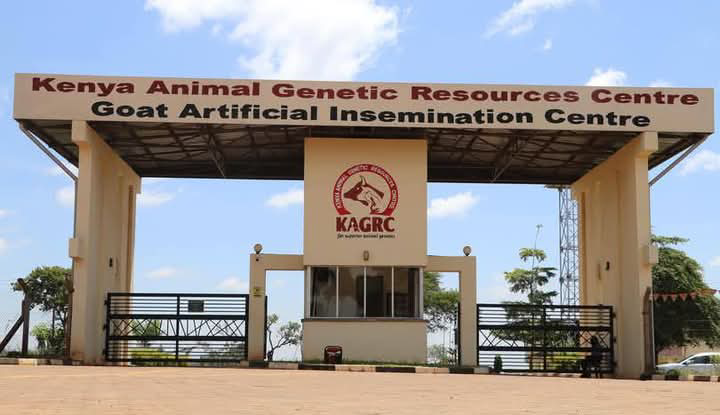
The Kenya Animal Genetic Resources Centre (KAGRC) is revolutionizing the country’s dairy and meat production with the introduction of Artificial Insemination (AI) technology for goats.
This initiative, as gathered by WorldClass247News, aims to enhance productivity, improve breed quality, and support food security efforts across the nation.
During an open day event at the Kutus Ahiti Domba Centre in Kirinyaga County, KAGRC Managing Director Dr. Benadette Misoi highlighted the significance of AI in modern farming.
She described it as a groundbreaking technology that will enable farmers to maximize their yields through selective breeding.
“This is a great step forward for goat farmers. AI in goats is a new technology we are introducing with the goal of increasing productivity. By using selective breeding, we are producing the best semen from top breeds to ensure higher milk production and better-quality meat,” said Dr. Misoi.
The event, which attracted a large number of farmers, served as a platform for knowledge-sharing and preparation for the official launch of a new breeding centre in the coming months.
Dr. Misoi emphasized that KAGRC maintains a variety of high-quality male breeds, ensuring farmers have access to superior genetic material for both dairy and meat production.
She expressed optimism about the enthusiasm shown by farmers, noting that education and collaboration are crucial in adopting this new technology.
“We are pleased to see farmers taking interest in AI. Knowledge is power, and we aim to ensure they make informed decisions. KAGRC collaborates with agents, distributors, universities, and suppliers to provide the necessary resources to support this initiative,” she said.
The government, through the Ministry of Agriculture, has set ambitious targets to enhance food security and livestock breeding. Currently, Kenya produces approximately 5 billion litres of milk annually, with a goal to double this to 10 billion litres by 2027. AI technology in goat farming is expected to play a vital role in achieving this target.
Dr. Misoi underscored the broader benefits of the initiative, stating that increased milk and meat production would not only strengthen food security but also create job opportunities and boost farmers’ incomes. She reaffirmed KAGRC’s commitment to providing top-quality genetic material to farmers, ensuring high productivity and profitability.
“The main role of KAGRC is to equip farmers with the best genetic resources to improve their livestock. Better breeds lead to better yields and higher profits,” she added.
The upcoming commissioning of the breeding centre marks a significant milestone in Kenya’s efforts to modernize agriculture. By embracing innovative breeding techniques, farmers will be better positioned to meet the growing demand for dairy and meat products, contributing to the country’s economic growth.
Dr. Misoi further explained that KAGRC is actively engaged in selective breeding, preservation, and conservation of animal genetic material, including semen, embryos, and live animals, to ensure the provision of high-quality, disease-free breeding stock for both local and export markets.
Goat farmers, including James Murimi Gichovi from Kirinyaga, welcomed the initiative. He noted that the open day provided valuable insights into the benefits of AI technology. “I have struggled to find male goats for breeding, but now I am eager to embrace AI. Improving goat breeds will also increase their market value,” he said.
Murimi also commended the affordability of AI services, priced at 500 shillings, and urged for their expansion to more rural areas. He further appreciated learning about specialized goat supplements, which he planned to adopt to improve his livestock’s health and productivity.
Encouraging other farmers to participate in similar agricultural events, Murimi emphasized that such initiatives provide essential knowledge on modern farming techniques and industry advancements.
With AI technology set to transform goat farming in Kenya, farmers are optimistic about the future of livestock breeding and its impact on their livelihoods.