

By Rebecca Maina
Health stakeholders in Gombe State have adopted a comprehensive set of resolutions aimed at strengthening healthcare delivery, improving disease control, enhancing digital health systems and increasing domestic financing to accelerate progress towards Universal Health Coverage (UHC).
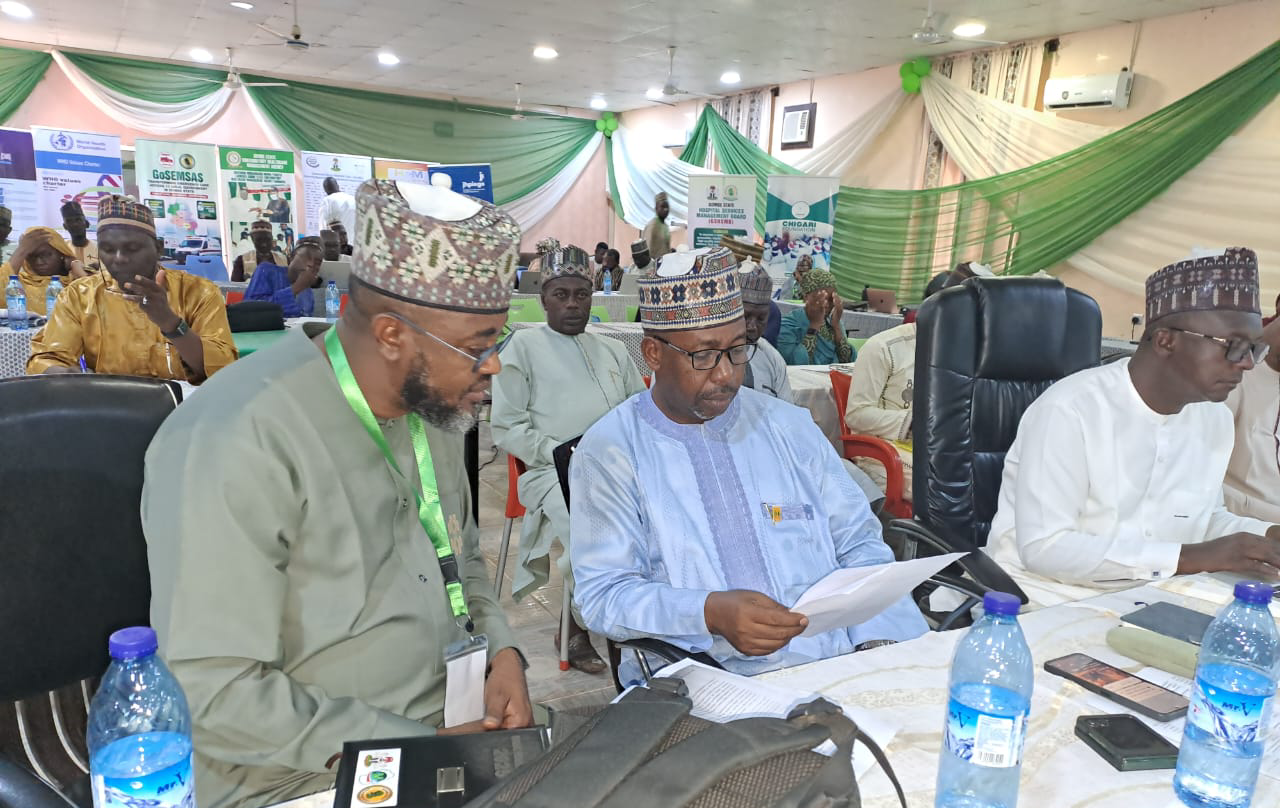
The resolutions were contained in a communiqué issued at the end of the 2026 Joint Annual Review (JAR), organised by the Gombe State Ministry of Health and Social Welfare under the theme, “Strengthening Health Systems through Collaboration, Accountability and Evidence-Based Planning.”
The review revealed significant progress in key health indicators. Antenatal care attendance improved considerably, with first antenatal care (ANC1) visits increasing by 16 per cent and fourth antenatal care (ANC4) visits by 47 per cent. Family planning services also recorded increased uptake of modern contraceptive methods across several local government areas.
The communiqué further highlighted strong performance in HIV services, with the state achieving 97 per cent of its HIV testing target, maintaining 29,980 people on antiretroviral therapy, attaining a 96 per cent viral load suppression rate and sustaining prevention of mother-to-child transmission services.
Tuberculosis control also recorded a 78 per cent increase in case notification, while malaria diagnosis and treatment services expanded alongside improved coverage of intermittent preventive treatment during pregnancy (IPTp). Pneumonia treatment coverage remained high at about 98 per cent, with sustained implementation of Oral Rehydration Salts (ORS) and Zinc therapy for childhood diarrhoea.
Participants also commended improvements in emergency preparedness through the functional Public Health Emergency Operations Centre, the State Public Health Emergency Management Committee and the Public Health Laboratory.
Despite the gains, stakeholders identified several critical challenges requiring urgent attention, including declining routine immunisation coverage, shortages of GeneXpert cartridges and tuberculosis medicines, inadequate domestic financing for TB programmes, persistent commodity security gaps, weak routine data quality, delayed implementation of key health security initiatives and the absence of legal backing for the Public Health Emergency Operations Centre.
To address these challenges, participants resolved to intensify community mobilisation to improve maternal and child health, strengthen routine immunisation, expand neonatal resuscitation services, sustain therapeutic feeding programmes and improve postnatal care.
The meeting also called for increased government investment in tuberculosis prevention and treatment, strengthened government ownership of HIV programme data management through a phased transition from partner-supported personnel, improved commodity security and expanded screening for hypertension and diabetes at primary healthcare facilities.
Recognising the growing role of technology in healthcare, stakeholders resolved to strengthen implementation of the State Digital Health Strategic Framework, develop a phased interoperability roadmap linking health information systems to the National Health Information Exchange, invest in digital infrastructure, internet connectivity, power supply and cybersecurity, while building the capacity of health workers on digital health applications.
Participants further agreed to deepen implementation of the Sector-Wide Approach (SWAp) through stronger coordination among government and development partners, improve domestic resource mobilisation, institutionalise routine data quality assessments and ensure alignment of partner interventions with the 2027 Annual Operational Plan.
The communiqué reaffirmed the collective commitment of all stakeholders to strengthening collaboration, accountability, innovation and evidence-based planning to improve health outcomes for the people of Gombe State.
The meeting concluded with participants expressing appreciation to Governor Muhammadu Inuwa Yahaya, the Honourable Commissioner for Health, development partners, civil society organisations, private sector stakeholders and all participants for their continued commitment to advancing quality healthcare across the state.
The Community was read by Sanusi Abdullahi the program manager of Gombe State Agency for the Control of AIDs GOMSACA