

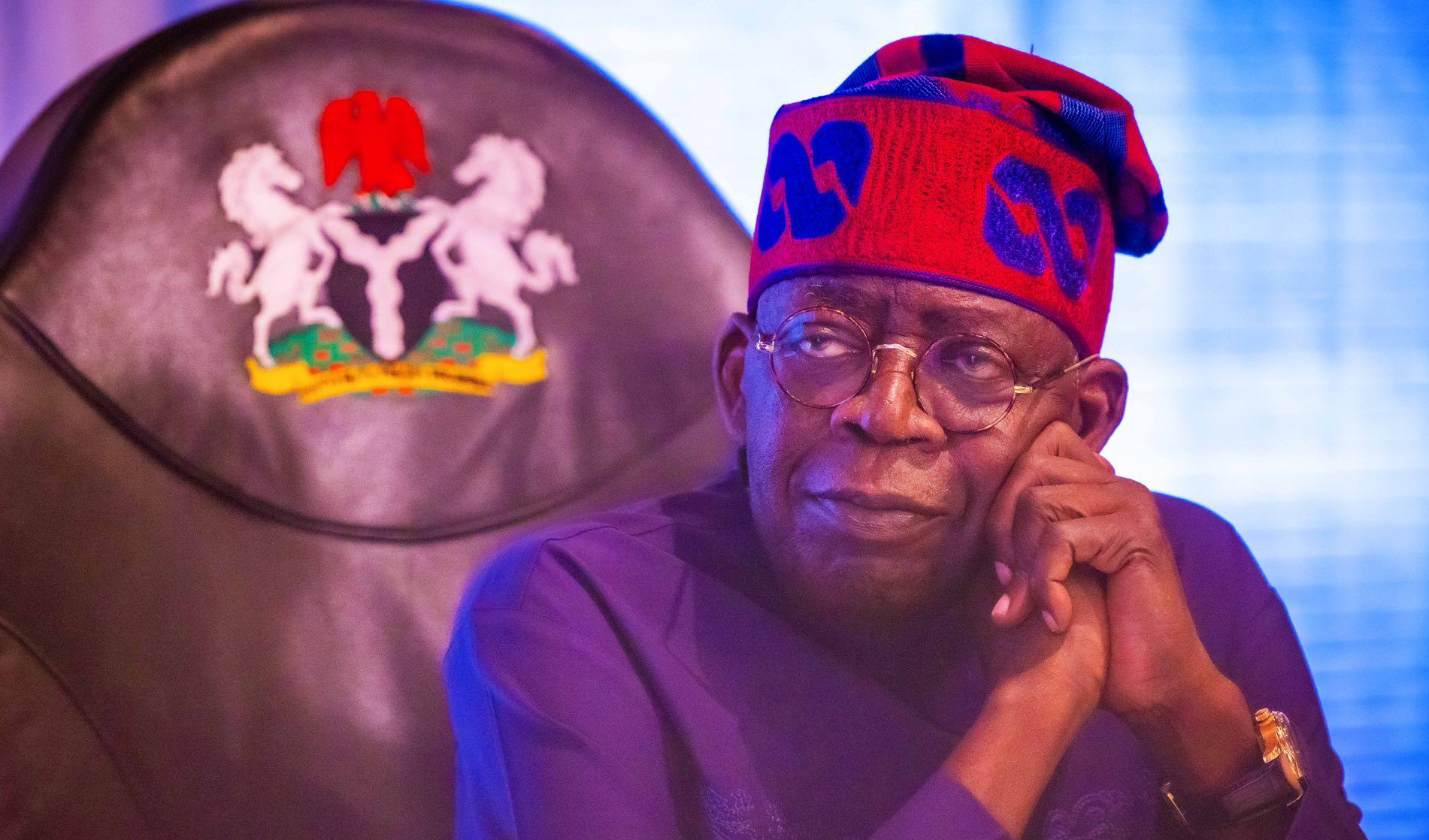
When President Bola Ahmed Tinubu stepped into the Government House in Makurdi on the morning of June 18, the air was tense not from protocol or ceremony, but from grief, fear, and unrelenting anxiety that has gripped Benue State for months.
The North-Central state, long plagued by deadly attacks from suspected militia groups, has become a grim stage of unending tragedy. Entire communities have been displaced, lives shattered, and yet, not a single arrest has been made.
On this day, Tinubu was not here for a ceremonial visit. His mission was clear: to demand accountability.
In a rare and blistering rebuke of his own security chiefs, including the Inspector General of Police, Kayode Egbetokun, the President minced no words: “How can we continue to record such bloodshed without a single arrest? This is intolerable.”
Those present at the closed-door meeting say the President’s frustration was palpable a mix of anger and disbelief, as he challenged the heads of Nigeria’s security architecture to explain why, despite numerous attacks, the masterminds continue to operate with impunity.
Benue has been bleeding. From Guma to Logo, and from Ukum to Agatu, stories of killings, burnt homes, and mass graves have become disturbingly frequent. The attackers, often identified as suspected armed herdsmen or criminal militias, have carried out coordinated assaults that leave trails of death and destruction. With every new report, the question has grown louder: where is the state?
Tinubu’s visit came on the heels of growing national outrage. Civil society organizations, faith leaders, traditional rulers, and lawmakers had all urged the federal government to act. The President’s response was not just to speak it was to confront.
“I want to see immediate results,” he told the Service Chiefs in Makurdi. “The police and the armed forces must act decisively to apprehend these killers who have turned Benue into a killing field.”
This wasn’t just rhetoric. Behind the President’s voice was a promise of renewed urgency, but also a stern warning: history would not be kind to a government that watches its citizens die without justice.
While acknowledging the gallantry of some military personnel in the field, Tinubu made it clear that praise without results would no longer suffice. He particularly commended the Chief of Defence Staff, General Christopher Musa, but did not spare others. Air Marshal Hassan Abubakar and Defence Intelligence Chief, Maj.-Gen. Emmanuel Oloyede, were told to intensify surveillance and rethink intelligence operations.
“This is not the time for routine operations,” Tinubu said. “We must be proactive, aggressive, and coordinated. Nigeria is watching.”
Observers say the President’s tone marks a possible turning point in Nigeria’s internal security narrative — one where leadership takes ownership, not just through statements, but through strategic overhaul.
Among Tinubu’s boldest moves was his directive to the National Intelligence Agency (NIA) and the Department of State Services (DSS) to completely restructure their intelligence frameworks. According to the President, Nigeria’s security woes are as much about the failure of intelligence as they are about poor enforcement.
“The time for reactive security is over,” he declared. “We need preemptive intelligence and a united front to dismantle the criminal networks behind these killings. The peace and safety of Nigerians must come first—always.”
It was a call not just to action, but to transformation a signal that the era of fragmented responses and bureaucratic blame games must end.
For many in Benue, Tinubu’s visit may not undo the pain they have endured. It won’t bring back the dead or rebuild destroyed homes. But it may offer something equally vital — the assurance that the highest office in the land is listening, watching, and now demanding action.
As dusk settled over Makurdi that day, the President departed with his convoy. But he left behind a message etched in the minds of citizens and security operatives alike: enough is enough. The killings must stop. And this time, those responsible must face justice.
Whether the President’s fiery declarations will translate into real change remains to be seen. But for the people of Benue, even the sound of footsteps marching toward accountability is a long-awaited start.