

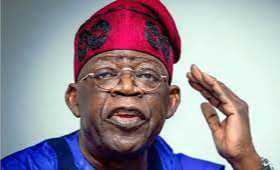
The Conference of Nigeria Political Parties (CNPP) has issued a strong rebuke of President Bola Ahmed Tinubu’s administration, marking the midpoint of his tenure with a blistering critique of worsening economic conditions, rising insecurity, and lack of transparency in governance.
In a statement, signed by its Deputy National Publicity Secretary, James Ezema, the CNPP expressed alarm over what it described as the failure of the much-touted “Renewed Hope” agenda, declaring that Nigerians are instead facing “renewed hardship, deepening poverty, and growing insecurity.”
“This is not a partisan attack,” said Ezema, “It is a sincere, patriotic call for urgent correction. The country is at a breaking point, and the administration must act decisively before irreparable damage is done.”
The CNPP criticized Tinubu’s early economic decisions, particularly the removal of fuel subsidies and the floating of the naira, as lacking adequate planning and human-centered safeguards.
While acknowledging the theoretical soundness of these policies, the group said poor implementation has triggered runaway inflation, unstable exchange rates, and unbearable living costs.
“The naira now trades above N1,500 to the dollar, food prices have soared, and businesses especially SMEs are suffocating,” the CNPP stated, warning that millions are falling deeper into poverty.
Security, or the lack thereof, formed a central concern in the CNPP’s assessment. The group noted that despite leadership changes within the military and efforts by the Ministry of Defence, insecurity persists across vast swathes of the country.
“From Zamfara to Benue and even the suburbs of Abuja, citizens live in fear,” the statement read, calling on the President to declare a state of emergency on insecurity.
The CNPP urged sweeping reforms, including decentralization of the police, the introduction of community policing, and modernization of internal security operations.
The Conference also accused the administration of favoring political allies in key appointments, especially in finance and procurement, rather than selecting individuals based on merit.
“The anti-corruption drive has lost momentum,” the group stated, noting a lack of major convictions or asset recoveries, except in the high profile case of the former Central Bank governor an action the CNPP described as “a vendetta” linked to his role in the 2023 naira redesign.
They called for a reset: “End favoritism, empower anti-graft agencies with real independence, and restore public confidence in governance.”
With youth unemployment reaching alarming levels, the CNPP warned that frustration among young Nigerians is reaching a dangerous tipping point. The organization called for the immediate launch of a National Youth Empowerment Corps, focused on job creation in agriculture, digital industries, and small enterprises.
“Young people are fleeing the country or sinking into despair. It’s time to treat unemployment as a national emergency.”
The CNPP slammed the state of electricity, education, and healthcare as “abysmal.” They criticized persistent power grid failures, underfunded schools, and inaccessible healthcare, urging the administration to declare states of emergency across these sectors.
“Without reliable energy, education, or healthcare, Nigeria cannot grow. The President must act now to invest in renewables, partner with private sectors, and ensure universal health coverage for the most vulnerable.”
The group also questioned the outcomes of Nigeria’s international diplomacy, especially within ECOWAS, describing recent interventions as disconnected from domestic readiness and yielding minimal benefits to citizens.
“Reduce foreign trips,” the CNPP advised. “Focus instead on trade diplomacy and diaspora engagement that directly impacts Nigerians.”
In a final charge, the CNPP urged President Tinubu to immediately reshuffle his cabinet, bring in reform-minded professionals, and engage civil society and opposition voices in national dialogue.
“The next two years must not mirror the last two. The focus must shift from 2027 politics to the present needs of Nigerians. The time to govern with empathy, competence, and vision is now.”