

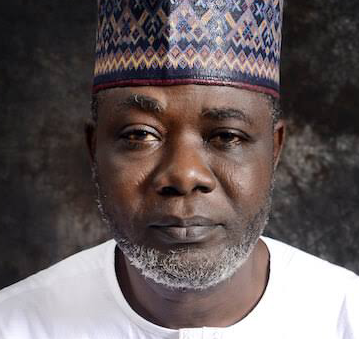
By Disu Kamor
The security crisis in Nigeria has taken a devastating turn, with Muslims bearing the brunt of terrorist attacks and banditry across the country. The recent attack on Woro and Nuku villages in Kwara State, which claimed the lives of at least 170 innocent Muslims, is a stark reminder of the growing insecurity in the country.
These incidents are not an isolated one. In recent times, Muslims in different parts of Nigeria have been targeted by terrorists and bandits, resulting in significant loss of life and property. The Boko Haram insurgency in the Northeast has been ongoing for over a decade, with countless lives lost and Muslim communities displaced.
In Zamfara State, bandits have been wreaking havoc on Muslim communities, killing and kidnapping innocent civilians. The situation is dire, with many communities living in fear of attack. The government has been criticized for its inability to provide adequate security to these communities, leaving them vulnerable to attacks.
The reality is that Muslims are disproportionately affected by the security crisis in Nigeria. The Boko Haram insurgency, which has been wreaking havoc in the Northeast, has primarily targeted Muslim communities. The banditry in Zamfara State has also mainly affected Muslim communities.
The attack on Woro village is a clear example of the terrorists’ disregard for human life and their intention to spread fear and chaos. The fact that the terrorists sent a letter to the district head informing him of their plans, and then attacked the village after he reported to the security forces, is a stark reminder of the complexity of the security challenge facing the country.
This attack, sadly, equally highlights the failure of the government’s security apparatus to prevent and respond to security threats. The fact that the terrorists were able to attack the village for hours without any security presence is a clear indication of the government’s inability to protect its citizens.
The government of Kwara State must take responsibility for its failure to protect its citizens and the Federal Government must take more concrete steps to address the security challenges in the country. These steps should include enhancing intelligence gathering and analysis capabilities, improving coordination between security agencies and local communities, and providing training and resources to security personnel to detect early warning signs of terror threats and respond quickly and effectively to security threats.
The security crisis in Nigeria requires a comprehensive approach that addresses the root causes of terrorism and provides support to affected communities. The government must work with local leaders and communities to prevent further attacks and ensure the security of lives and property.
The recent deployment of an army battalion to Kwara State and the launch of Operation Savannah Shield are steps in the right direction, but will it be enough to stop the cycle of violence? Terrorists may simply relocate and continue their attacks, leaving security agencies chasing shadows. To break this cycle, we need a more robust strategy that dismantles terrorist infrastructure and prevents attacks before they happen. Anything less will just keep security agencies on the back foot.
The Kainji National Park, which spans across Kwara and Niger states, has become a hideout for terrorist groups and bandits, making it a challenge for security forces to track and apprehend them. With the park’s dense forest and rugged terrain, it’s a daunting task for security agencies to contain the threat. To effectively address the situation, there’s a need for improved intelligence gathering, coordinated efforts between security agencies, and community involvement to identify and report suspicious activities.
Terrorists are killing Nigeria’s Muslims for rejecting their ideology. The government must respond with action, not just words. It’s time to take back control and show that rejecting extremism won’t be met with death, but with protection and justice.
Despite the overwhelming evidence of Muslim suffering, a section of the Nigerian Christian population and foreign actors have been promoting the narrative of an ongoing Christian genocide in Nigeria. This narrative is not only misleading but also dangerous, as it seeks to polarize the country, align them with the terrorists’ agenda seeking to exploit religious differences to create chaos, and politicize the security crisis, thereby distracting from the real issues at hand.
It is imperative that the government and the international community acknowledge the reality of Muslim suffering and take concrete steps to address the security challenges in the country. The narrative of Christian genocide which only fuels division must be rejected, and the focus should be on finding solutions to the security crisis that affects all Nigerians, regardless of their faith.
The escalation of the security crisis in Nigeria requires more than condolence visits by government officials or mere words of assurance after every attack. It requires a comprehensive approach to address the root causes of terrorism, eliminate the capability of terrorist to attack with impunity and provide support to affected communities who suffer dangerous consequences for resisting terrorist ideologies and indoctrination.
The government must work with local leaders and communities to prevent further attacks and ensure the security of lives and property. Lagos’ Rapid Response Service (RRS), formed in 1999 during the administration of President Bola Ahmed Tinubu, then Governor of Lagos State, is a proven winner in tackling security challenges. The RRS was established to respond swiftly to emergencies and crimes within Lagos State, and it has undergone various transformations over the years to enhance its operational capability.
The Lagos State Security Trust Fund (LSSTF) has supported the RRS by providing necessary equipment, including motorbikes, patrol vehicles, helicopters, and other essential gear, to significantly reduce crime rates in the state.
Kwara State, facing an even tougher crisis, can’t afford to ignore this success story. It’s time for Kwara to take a leaf from Lagos’ book and launch its own rapid response initiative to stem the tide of violence. Kwara State has been plagued by insecurity, with incidents of terrorist attacks, banditry and kidnapping escalating in recent months. A recent terrorist attack occurred in Oke-Ode, a town in Kwara State’s Ifelodun Local Government Area. On September 28, 2025, gunmen invaded this ancient community, killing 12 forest guards and four others were wounded. The attack was reportedly carried out by armed bandits. Kwara State needs innovative solutions to the worsening security challenges. It needs action- decisive actions, not condemnation or condolences. The government must act now to protect its citizens from terrorist threats.
Despite the tragic incidents in Woro and Nuku, local leaders and communities should continue to oppose terrorist ideologies and work with the government to prevent further attacks and promote peace and stability across the nation. By working together, we can ensure that Nigeria is a safe and secure place for all its citizens, regardless of their faith. The terrorists are our common enemies.
Lastly, the international community has a responsibility to ensure that terrorists do not receive support from foreign actors seeking to destabilize Nigeria. The prolonged terrorist activities in the country suggest that external support is likely sustaining their operations. It is therefore imperative for the international community to work with the Nigerian authorities to cut off terrorist supply lines: prevent the flow of cash, weapons, intelligence, and logistics to terrorist groups operating in Nigeria.
The international community must recognize that terrorism is a global threat and that Nigeria’s stability is crucial to regional and global security. By taking collective action, they can help Nigeria defeat terrorism and create a safer, more stable environment for its citizens.
By Disu Kamor, Executive Chairman, Muslim Public Affairs Centre (MPAC) | kamor.disu@mpac-ng.org