

By Charles Akpeji
The United Methodist Church in Nigeria (UMCN), Cameroon and Senegal Episcopal Area has intensified efforts to strengthen financial accountability and transparency within its administrative structures, with a five-day bookkeeping and accounting training workshop for church finance officers.
The training, which brought together finance officers from across the Episcopal Area, is aimed at improving financial management practices, strengthening accountability mechanisms and ensuring the effective administration of church resources.
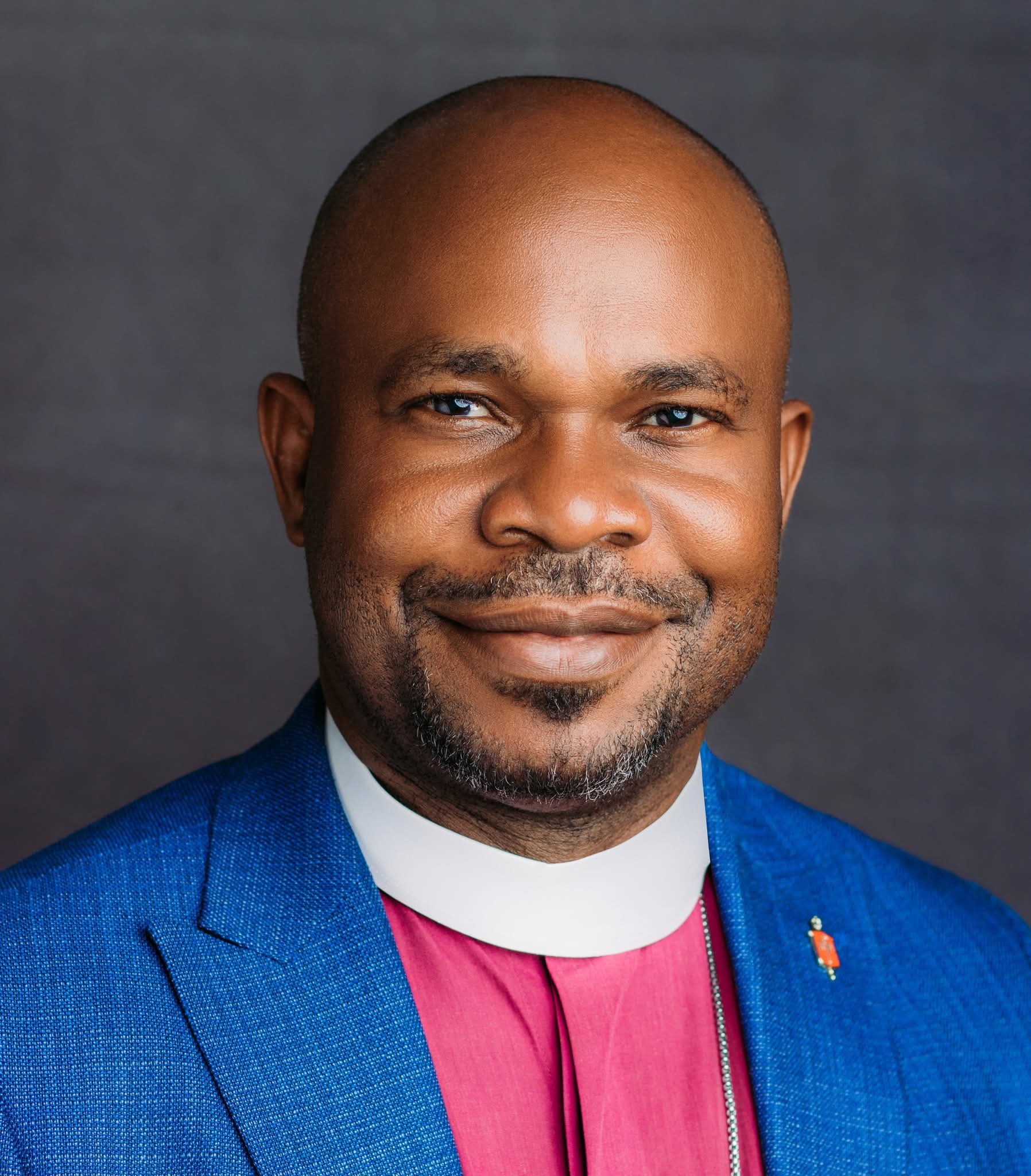
Bishop Ande Emmanuel, who oversees the Episcopal Area, said the initiative was part of efforts to equip church officers with the knowledge and practical skills needed to discharge their financial responsibilities in line with established accounting principles.
Welcoming participants to the workshop in Jalingo, Taraba State, the bishop described the training as an important opportunity for finance officers to improve their understanding of bookkeeping, accounting procedures and financial reporting.
He stressed that effective financial management remained essential to the growth, credibility and long-term sustainability of the church, noting that those entrusted with managing church funds must demonstrate a high level of integrity and responsibility.
A major concern highlighted by Bishop Emmanuel was the need to strengthen existing financial management practices following a recent audit covering the first two years of their administration.
Although he did not disclose specific findings from the audit, the bishop emphasised the importance of using the exercise to improve financial procedures, promote transparency and reinforce accountability across the church’s administrative structures.
The emphasis on financial accountability reflects the critical role that proper record-keeping and transparent reporting play in ensuring that institutional resources are managed responsibly.
For a religious institution such as the UMCN, whose activities depend partly on the contributions and support of its members, maintaining accurate financial records and demonstrating responsible stewardship are important to sustaining confidence in its leadership.
Bishop Emmanuel said the training was designed to address these concerns by strengthening the capacity of finance officers to manage financial records properly and ensure that church resources were administered effectively.
He noted that improved accounting practices would help promote transparency and ensure that financial responsibilities were carried out in accordance with established procedures.
Beyond highlighting the importance of accountability, the bishop urged participants to take full advantage of the workshop by actively engaging with facilitators, asking questions and seeking clarification on areas they found difficult to understand.
He expressed confidence in the expertise and experience of the facilitators, saying their contributions would provide participants with valuable insights and practical guidance on bookkeeping and accounting principles.
According to him, the effectiveness of the training would depend not only on the quality of instruction but also on the willingness of participants to learn and apply the knowledge acquired.
He therefore challenged the finance officers to approach the sessions with open minds, stressing that the workshop should serve as an opportunity to identify weaknesses in existing practices and embrace better approaches to financial administration.
The bishop also underscored the need for participants to translate the lessons into practical improvements in their respective areas of service.
Such improvements, he noted, would be essential to strengthening the church’s financial systems and ensuring that its resources were managed with greater efficiency and responsibility.
Transparency as a Foundation for Institutional Growth
The workshop, as observed by WorldClass247News, comes at a time when accountability and prudent resource management remain important considerations for institutions seeking to strengthen public confidence and achieve sustainable growth.
Within the church, financial administration extends beyond the recording of income and expenditure to include proper documentation, accurate reporting and responsible management of funds entrusted to its officers.
Weak financial controls and inadequate record-keeping can make it difficult for institutions to assess their financial positions, account for resources and ensure that funds are used for their intended purposes.
By equipping finance officers with improved bookkeeping and accounting skills, the UMCN is seeking to reinforce the systems through which financial transactions are documented, monitored and reported.
Bishop Emmanuel maintained that responsible financial management was fundamental to the church’s development, adding that transparency and accountability would help build trust and promote the effective use of available resources.
He expressed optimism that the workshop would achieve its objectives of improving financial management and encouraging responsible stewardship across the Episcopal Area.
While the five-day workshop provides an opportunity for participants to strengthen their technical knowledge, its long-term impact will depend on how effectively the lessons are implemented after the training.
The application of standard bookkeeping procedures, consistent financial reporting and improved documentation could help strengthen internal controls and make financial administration more efficient across the church’s structures.
Similarly, ensuring that finance officers understand their responsibilities and adhere to established accounting procedures would be important in sustaining the gains expected from the exercise.
The recent audit highlighted by the bishop also provides a context for the training, particularly in the effort to improve existing practices and reinforce accountability within the administration.
However, the extent to which the workshop will address specific financial management challenges will depend on the practical measures adopted by participants and the church’s commitment to sustaining the improvements beyond the training period.
As observed by WorldClass247News, the workshop brings together finance officers from across the United Methodist Church in Nigeria, Cameroon and Senegal Episcopal Area to strengthen their bookkeeping and accounting skills and support the effective administration of church resources.
For Bishop Emmanuel, the ultimate objective is clear: to ensure that those entrusted with managing church finances possess the competence, discipline and commitment required to promote transparency, accountability and responsible stewardship.
The success of the initiative will therefore be measured not merely by the completion of the five-day programme, but by the extent to which improved financial practices become embedded in the day-to-day administration of the church.