

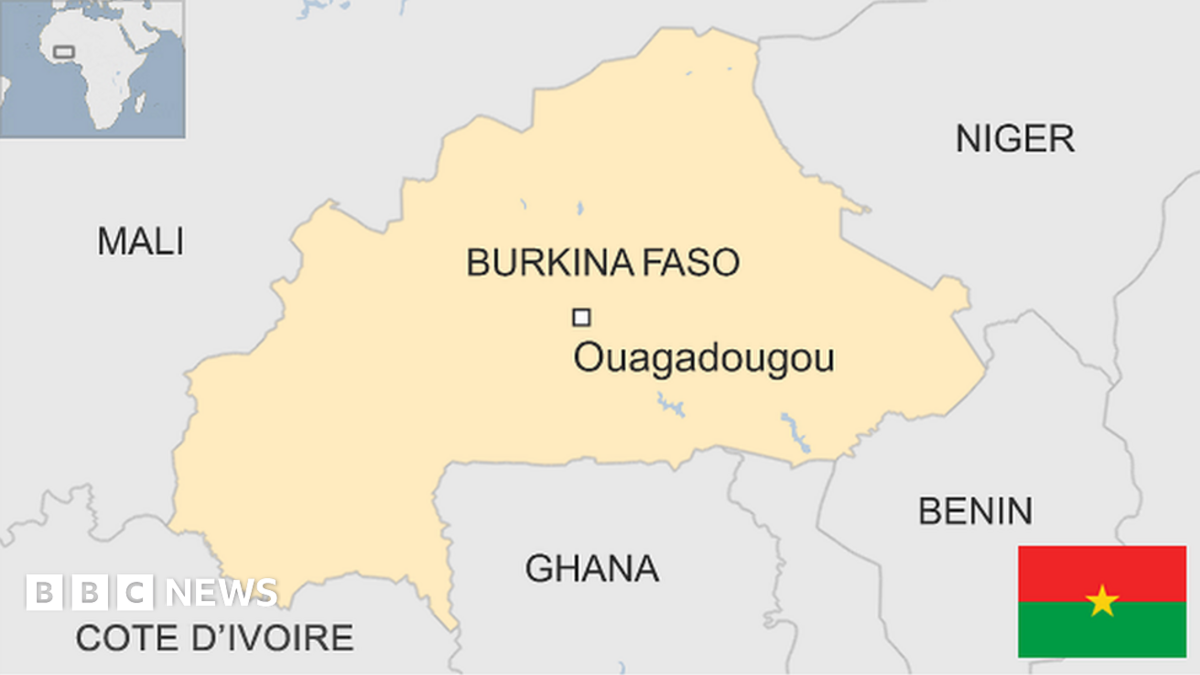
Burkina Faso has inaugurated a 25-megawatt thermal power plant in Koudougou, marking the third power-generation facility commissioned in the country in less than a month as the government accelerates efforts to reduce its reliance on imported electricity.
Energy Minister Yacouba Zabré Gouba inaugurated the Koudougou facility on August 10. The plant, which cost 15.4 billion CFA francs, comprises 28 generator sets and was constructed in 347 days by Lebanese company BUTEC Power Generation.
The facility will operate under a five-year contract before being transferred to the national electricity utility, SONABEL.
The Koudougou project follows the commissioning of a 50-megawatt plant in Pabré on July 21, which was reportedly completed in just 90 days, and a 26.4-megawatt facility in Bobo-Dioulasso on August 7. A fourth plant in Kaya was expected to be inaugurated on August 11.
The rapid expansion forms part of the government’s drive toward what it describes as energy sovereignty. Burkina Faso has historically depended heavily on electricity imports from neighbouring countries, leaving its power supply vulnerable to external disruptions.
Government figures indicate that around 60 percent of Burkina Faso’s electricity is imported, while electricity access remains limited, with only about 20 percent of the population having access to power.
Authorities say seven ongoing projects are expected to add more than 220 megawatts of generation capacity. A separate 119-megawatt power project is also being developed with support from the Africa Finance Corporation.
The government has positioned increased electricity generation as a key pillar of economic development, arguing that reliable power is essential for industrial production, mining, businesses and wider economic activity.
The latest inaugurations therefore represent more than an expansion of generating capacity. They are part of Burkina Faso’s broader attempt to strengthen domestic energy production and reduce its dependence on imported electricity.
The central challenge, however, remains significant: despite the recent projects, the country continues to import a substantial share of its electricity and faces a major gap in access.
For Burkina Faso, the pace of new power projects signals an increasingly ambitious push for energy independence—but sustaining that momentum will be crucial if energy sovereignty is to become a reality.