

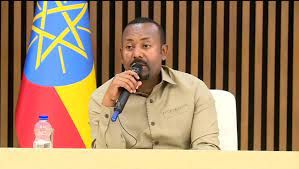
Ethiopia has reaffirmed its commitment to strengthening animal health services as a crucial component of national economic growth and community well-being.
Speaking at the WOAH (World Organisation for Animal Health) Regional Conference, Ethiopia’s State Minister of Agriculture and WOAH Delegate, Dr. Fikru Regassa, addressed participants from 54 countries, alongside regional and international delegates.
Dr. Fikru emphasized Ethiopia’s diversified economy, highlighting five key pillars: agriculture, tourism, mining, industry, and ICT. He noted that the livestock sector plays a major role, contributing 46% of the agricultural GDP and 20% of the national GDP.
The State Minister outlined Ethiopia’s homegrown economic reform, which he described as a significant opportunity to enhance animal production and health services. He also provided insights into the “Yelemat Tirufat” Initiative, which is creating opportunities for animal health interventions.
Dr. Fikru stressed that improving animal health is essential for food and nutrition security, as well as for overall public health. He pointed out that Ethiopia’s animal product consumption remains low compared to many African nations, signaling a need for stronger interventions.
To tackle transboundary animal diseases, the Ethiopian government has allocated 200 million birr, with an equal amount contributed by development partners. He underscored the need for harmonized efforts and collaboration to mitigate these challenges.
During the conference, findings from an investigation into unknown camel diseases and other animal health diagnostic studies in Africa were presented.
The event reinforced Ethiopia’s commitment to strengthening animal health systems, recognizing their vital role in economic development and public health.