

Water transportation remains a vital means of movement and livelihood for thousands of residents in Adamawa state. From fishermen and traders to commuters in riverine communities, boats provide an essential link where roads are limited. However, recurring boat mishaps have continued to claim lives, often due to poor safety practices, overloading, and the absence of life-saving equipment.
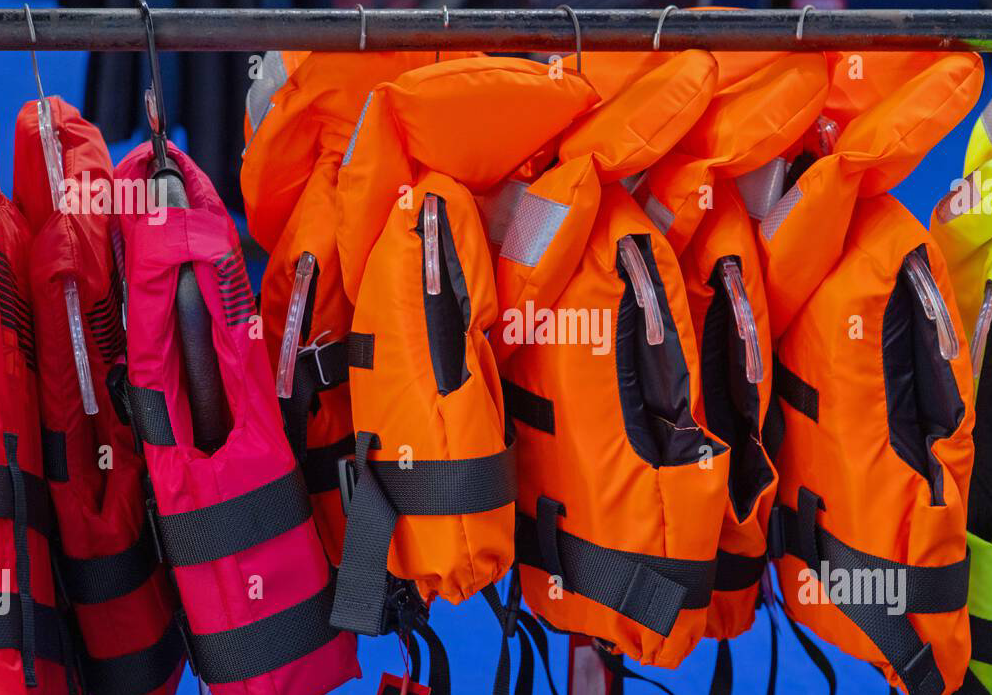
Determined to reverse this trend, the Adamawa state government has intensified efforts to improve safety on the state’s waterways through the donation of life jackets and life buoys to boat operators at Bakin Kogi Riverside in Jimeta, Yola North local government council.
The intervention, coordinated by the Adamawa State Emergency Management Agency (ADSEMA), brought together critical stakeholders in water transportation and emergency management, including the National Emergency Management Agency (NEMA), the National Inland Waterways Authority (NIWA), the Marine Police, and representatives of boat operators’ unions.
The initiative reflects the administration of Governor Ahmadu Umaru Fintiri’s commitment to protecting lives by promoting safer water transportation and encouraging strict adherence to safety regulations.
Speaking during the exercise, the Head of Operations at the NEMA Yola Operations Office, Mr. Ladan Ayuba, described the government’s intervention as timely, noting that the distribution of life-saving equipment would significantly reduce casualties arising from boat accidents if properly utilized.
Beyond the donation of life jackets and life buoys, the event served as a platform for public sensitization. Ayuba reminded boat operators and passengers that safety begins with personal responsibility. He warned against overloading boats, one of the leading causes of water accidents, and stressed that every passenger should wear a life jacket before embarking on any journey.
“Safety is a shared responsibility,” Ayuba said, emphasizing that strict adherence to established safety procedures remains the most effective way to prevent avoidable deaths on the waterways.
Representing the Permanent Secretary and Executive Secretary of ADSEMA, Dr. Celine La’ori, the Director of Disaster Risk Reduction, Mr. Maxwell Johnson, praised Governor Fintiri for prioritizing the safety and well-being of residents.
Johnson noted that while government has provided the necessary life-saving equipment, its effectiveness depends entirely on proper and consistent use. He urged boat operators, passengers, community leaders, and transport unions to work together in ensuring full compliance with water safety regulations.
He further appealed to community leaders to support government efforts by educating residents on safe boating practices and ensuring that operators observe approved safety standards at all times.
Also addressing participants, the Area Manager of the National Inland Waterways Authority (NIWA), Yola Area Office, Hajiya Nana Jika, called on boat operators’ unions to institutionalize regular safety inspections before every trip.
She stressed that every passenger should be provided with and properly wear a life jacket before departure, while also warning operators against alcohol and drug use while navigating the waterways.
According to her, compliance with inland water transportation regulations remains critical to reducing accidents and safeguarding lives.
The event also featured an inspection of the proposed venue for the forthcoming National Simulation Exercise in Adamawa State. The exercise is expected to strengthen emergency preparedness and improve the coordination and response capacity of agencies during disasters and other emergencies.
For many residents who depend on water transportation daily, the government’s intervention represents more than the distribution of safety equipment. It is a reminder that preventing boat accidents requires sustained public awareness, responsible conduct by operators, effective regulation, and continued collaboration among government agencies and local communities.
As Adamawa continues to invest in disaster risk reduction and emergency preparedness, stakeholders believe that the consistent use of life jackets, strict enforcement of safety measures, and continuous public education will play a decisive role in reducing avoidable tragedies on the state’s waterways.