

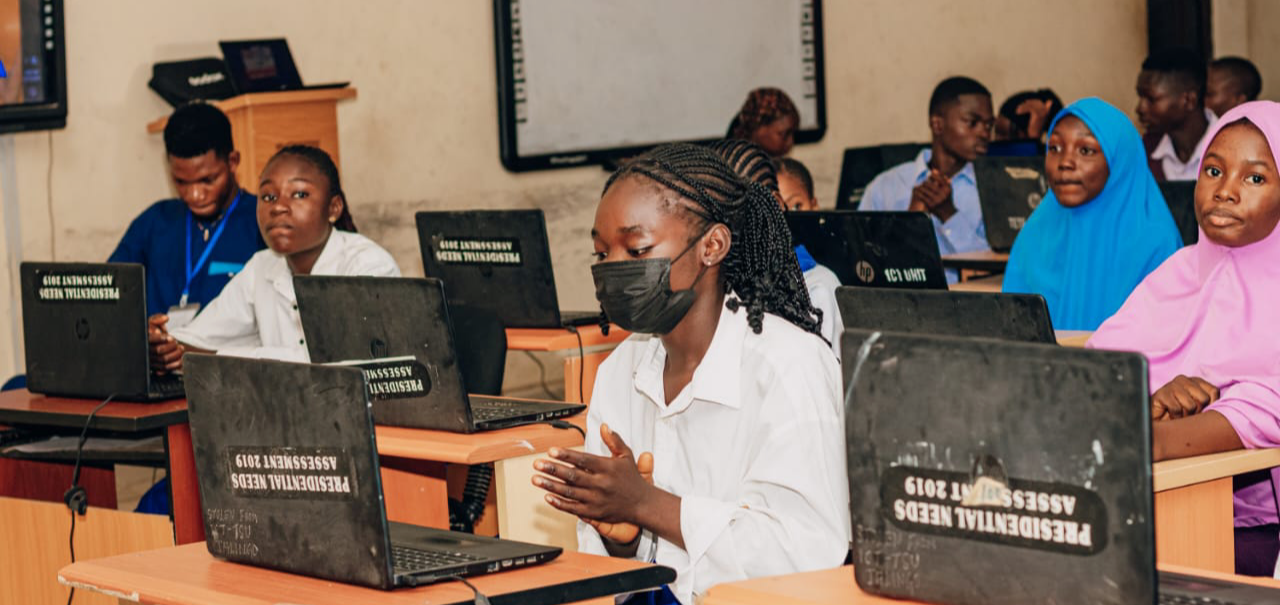
The MarBen Foundation has concluded its 10-day Kids STEAM Bootcamp in Taraba State, training no fewer than 110 children from public and low-income private schools in foundational digital and STEAM skills.
The program, held in August 2025 in Jalingo, introduced participants to computer literacy, coding, artificial intelligence, and problem-solving skills essential for the 21st century.
The initiative was supported by The Destiny Trust, GAMSU, KingMakers, and the Ministry of Basic and Secondary Education.
For many of the children—over 40 percent—the bootcamp marked their first direct experience using a computer. By the end of the training, participants were able to navigate Microsoft Office tools, use email, work with HTML/CSS, create projects in Scratch, and communicate responsibly online.
Officials from the Ministry of Basic and Secondary Education and the Ministry of Digital Economy attended the closing ceremony, praising the foundation’s efforts to close the digital literacy gap in Taraba. They emphasized the importance of partnerships in preparing the state’s young learners for an increasingly digital future.
Among the highlights of the program was the creation of a functional seed-planter prototype by a team of students, demonstrating the potential of STEAM education to inspire practical, community-focused innovations.
Executive Director of MarBen Foundation, Elisha Dorcas, stressed the need to expand digital learning opportunities, especially in rural and underserved communities.
“This bootcamp revealed how much potential our children have when given the opportunity. We are committed to ensuring that no child in Taraba is left behind in the digital age. We call on government, development partners, and the private sector to join us in expanding STEAM education across the state,” she said.
Despite challenges such as unreliable power supply, limited internet access, and transportation barriers, the program recorded strong engagement, with more than half of the participants expressing interest in continuing digital education.
The foundation is advocating for statewide integration of digital literacy programs, deeper collaboration between civil society and government, and greater investment in technology infrastructure in public schools.
MarBen Foundation expressed gratitude to its partners, volunteers, and government stakeholders for their contributions to the program’s success. The organization remains committed to empowering children and young people in underserved communities through education, digital skills, gender equality initiatives, and leadership development.