

By our correspondent
Burkina Faso’s transitional parliament has passed a controversial amnesty law, granting clemency to soldiers involved in the failed 2015 coup attempt.
The decision, seen as an effort to foster national reconciliation, has sparked mixed reactions across the country.
The 2015 coup was orchestrated by soldiers loyal to former President Blaise Compaoré, who attempted to overthrow the transitional government just weeks before national elections.
However, the coup collapsed after the military intervened, leading to the arrest and eventual conviction of the plotters in 2019.
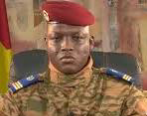
Under the new law, the soldiers must formally request amnesty from Captain Ibrahim Traoré, Burkina Faso’s current military leader.
They must also admit their role in the coup, demonstrate good behavior, and agree to participate in the country’s ongoing fight against terrorism.
The move, at the time of filing this report,has drawn both support and criticism.
Advocates argue that it is a necessary step toward unity and stability, while opponents fear it could undermine justice and embolden future military interventions.
As Burkina Faso grapples with security challenges and political uncertainty, the amnesty decision raises critical questions about justice, reconciliation, and the country’s path forward.