

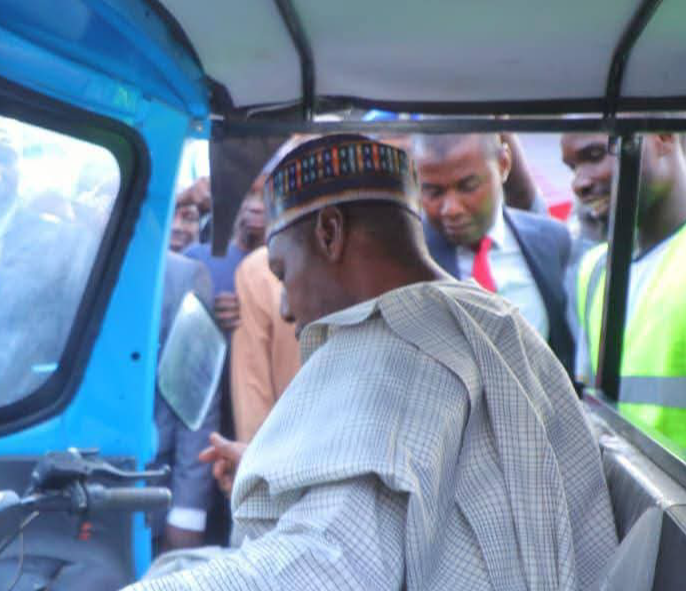
Governor Babagana Umara Zulum has launched a N1 billion empowerment programme and distributed 500 electric tricycles to commercial riders in Maiduguri and Jere, in a bid to ease economic hardship and modernize urban transportation.
The initiative, unveiled on Thursday at the Government House, is expected to benefit about 1,000 Keke Napep operators across the Maiduguri Metropolitan Council and Jere.
The eco-friendly tricycles were earlier inaugurated on December 20, 2025, by President Bola Ahmed Tinubu as part of efforts to promote sustainable transportation in the state.
Speaking during the launch, Zulum said the programme was designed to empower less-privileged riders while reducing transportation costs for residents. He described the introduction of electric tricycles as a major step toward improving livelihoods and promoting environmental sustainability.
“I am privileged to launch this empowerment programme for about 1,000 beneficiaries among tricycle riders in Maiduguri and Jere today, to the glory of God and for the benefit of humanity,” he said.
The governor explained that the state government would subsidize 30 percent of the cost of each tricycle to make them affordable, adding that a designated committee would oversee the payment structure. He urged beneficiaries to adhere strictly to operational guidelines to ensure accountability and the long-term success of the programme.
In addition to the distribution of tricycles, Zulum approved financial assistance for thousands of transport workers. He disclosed that 16,783 registered Keke Napep riders drawn from 25 associations would each receive ₦50,000 as part of the ₦1 billion intervention package aimed at cushioning the impact of economic hardship.
“We have approved a financial intervention amounting to ₦1 billion to support transportation workers and cushion the impact of hardship on their livelihood,” the governor stated.
Chairman of the Borno State Empowerment Committee, Saina Buba, said each electric tricycle can travel up to 65 kilometres on a single charge. He added that beneficiaries were selected transparently through their respective associations without external influence.