

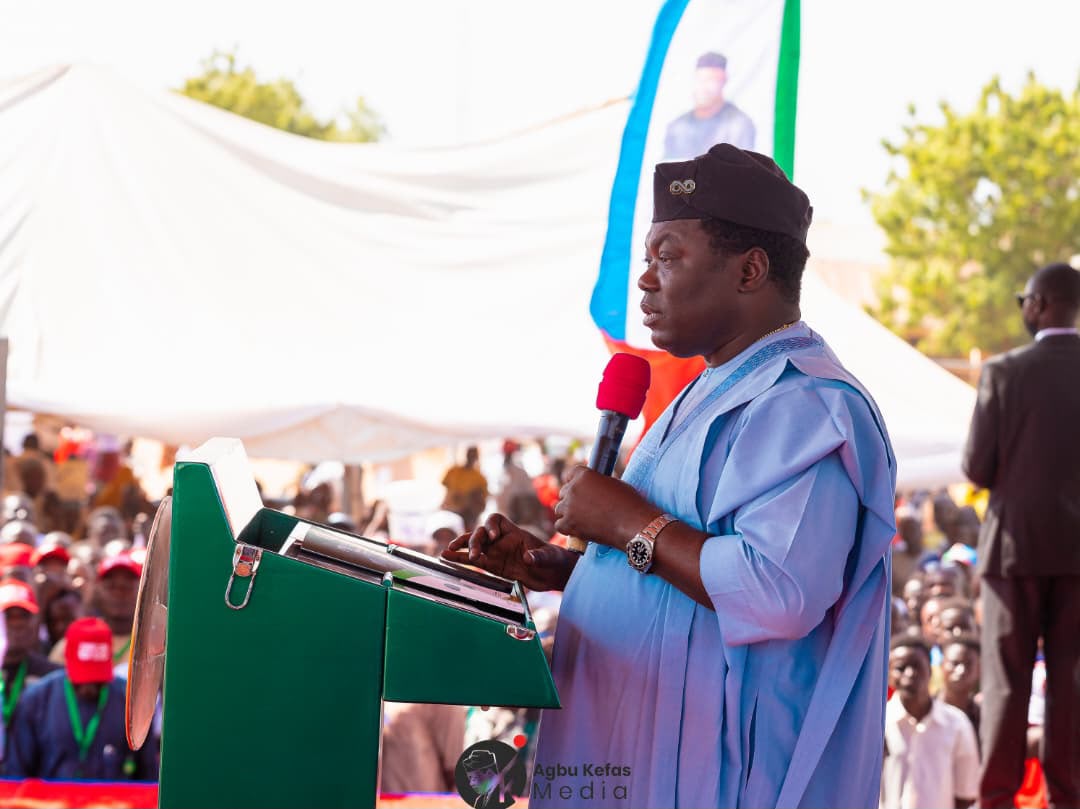
As Zing local government council marks 50 years of existence, prominent religious, political and community leaders have called for renewed commitment to peace, unity, inclusive leadership and sustainable development, with emphasis on preserving the Mumuye cultural heritage and building a prosperous future for coming generations.
The golden jubilee celebration of Zing, was no doubt more than a commemoration of five decades of existence. It provided an opportunity for reflection, renewed commitments and a collective assessment of the journey so far, as stakeholders highlighted the challenges and opportunities that will shape the council’s future.
At the centre of the anniversary activities was a strong message from the Rector of Saint Augustine Major Seminary, Jos, Plateau State, Very Rev. Fr. Peter Hassan, who challenged traditional rulers, political leaders and religious institutions to take greater responsibility for the peace, unity and sustainable development of the area.
Delivering the keynote address as guest speaker, Hassan maintained that the future of Zing depended largely on the willingness of its leaders and people to work together, embrace visionary leadership and place collective interests above individual ambitions.
He described traditional rulers as indispensable pillars of society whose influence extends beyond cultural ceremonies and traditional authority. According to him, their responsibilities in preserving cultural heritage, upholding community values and promoting positive social change make them critical partners in the development process.
The cleric urged traditional institutions to strengthen unity and reconciliation, promote education, preserve cultural identity and mobilise communities towards development. He also called on traditional rulers to use their positions to resolve disputes, heal existing divisions and encourage peaceful relationships among families and communities.
Turning to political leadership, Hassan challenged elected and appointed officials to see public office as an opportunity to serve rather than a platform for pursuing personal interests and political ambitions.
He stressed that leaders must rise above partisan considerations, strengthen public institutions, ensure equitable distribution of development opportunities and attract investments capable of improving the living conditions of residents.
The rector warned that political differences must never become obstacles to development, insisting that every community in Zing deserves attention, fairness and equal access to opportunities that promote human dignity and prosperity.
He further called for stronger partnerships with state and federal governments, private investors, development organisations, educational institutions and members of the diaspora. He particularly appealed to successful sons and daughters of Zing to bring their professional expertise, resources and networks back home to support development initiatives.
On the contribution of religious institutions, Hassan described the church and mosque as important partners in building a peaceful and progressive society. He urged Christian and Muslim leaders to promote mutual respect, reconciliation and human dignity while speaking against corruption, violence, religious intolerance, ethnic prejudice and dishonesty.
He also challenged religious organisations to move beyond spiritual activities by expanding their contributions to education, healthcare, scholarships, vocational training, mentorship and support for vulnerable members of society.
The call for peaceful coexistence also resonated in the remarks of former Taraba State Governor, Rev. Jolly T. Nyame, who urged the predominantly Mumuye people of Zing to sustain the peaceful relationships that bind their communities together.
Nyame described peace as a fundamental foundation for development and commended Governor Agbu Kefas for developmental projects in Zing and other parts of Taraba State.
Governor Kefas, in his remarks, highlighted the importance of cultural identity and linguistic preservation, expressing delight over the rendition of the national anthem in the Mumuye language.
He encouraged other ethnic groups in the state to embrace the initiative by translating the national anthem into their respective indigenous languages, describing the development as an opportunity to promote cultural diversity and preserve indigenous identities.
The governor also used the occasion to appeal to residents to conduct themselves peacefully during the forthcoming general elections, urging them to reject violence, intimidation and vote-buying and comply with electoral guidelines.
Earlier, the Chairman of the Central Planning Committee, Dr. Hammawa Y. Musa, explained that the golden jubilee celebration was designed to bring together sons and daughters of Mumuye land, strengthen their common heritage and provide an opportunity to reflect on their collective journey.
However, beyond the celebrations and goodwill messages, the Chairman of Zing Local Government Council, Dovoro Titus, drew attention to some of the infrastructure and development needs confronting the area.
While appreciating the Taraba State Government for its interventions, Titus appealed for additional support, particularly in road construction, provision of potable water and the establishment of a museum, among other projects considered important to the council’s development.
These demands underscored the need to translate the goodwill and commitments expressed during the anniversary into practical interventions that will improve the welfare of residents and expand economic opportunities across communities.
A major highlight of the celebration was the presentation of a historical book on Zing, authored by Mr. Kotasori D. Nyameh, an initiative that further reinforced the importance of documenting the history, identity and contributions of the people for future generations.
As Zing looks beyond its first 50 years, the central message emerging from the golden jubilee is that its future cannot depend on government alone. Traditional institutions, political leaders, religious organisations, professionals, investors and ordinary citizens all have important roles to play.